
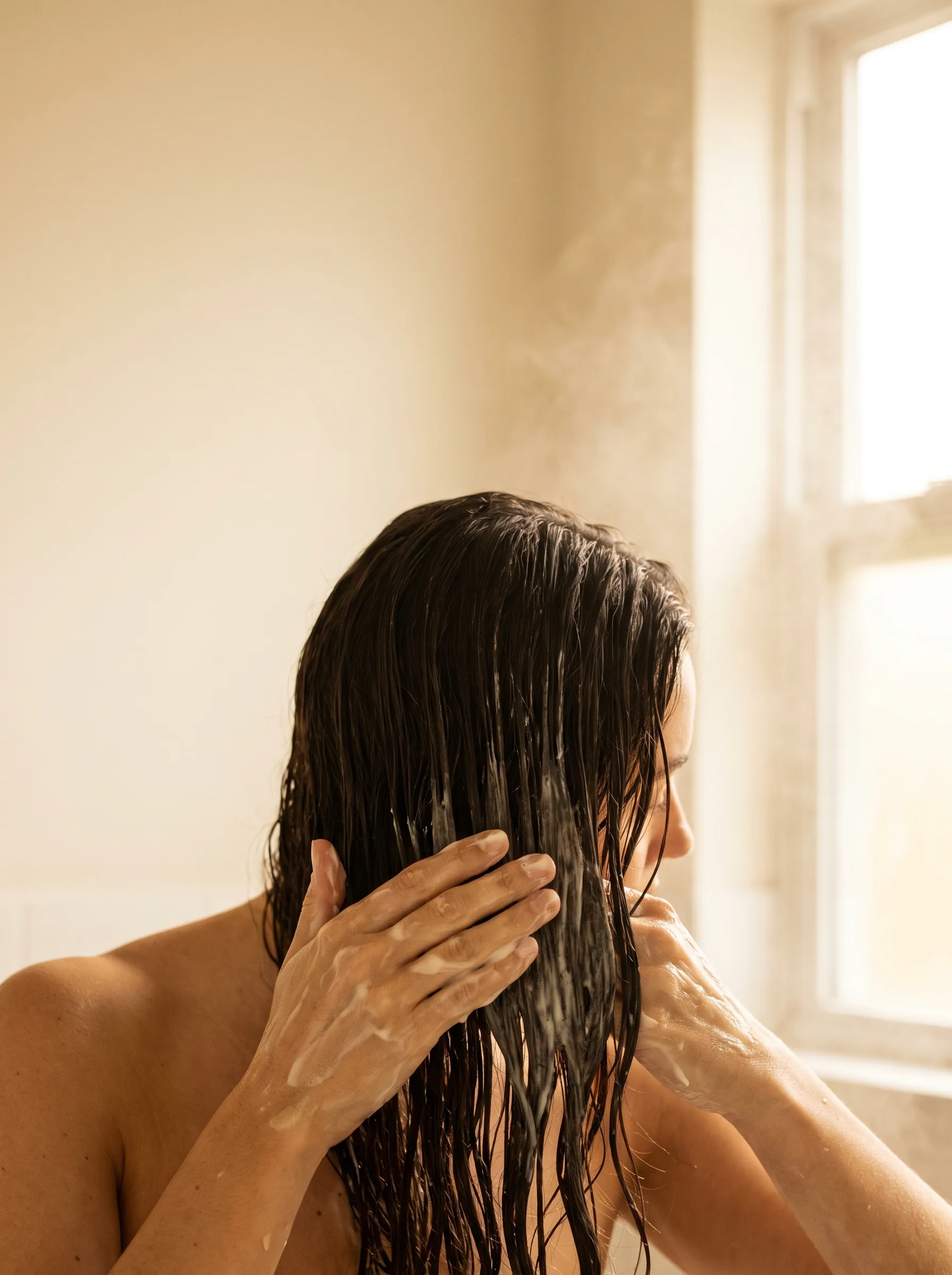
Treat the scalp with a labelled anti-dandruff product, apply it as directed and condition the lengths separately when needed. Do not treat every flake with oil or a home acid. See a physician or dermatologist if the scalp is very red, swollen, painful, crusted, spreading, associated with hair loss or not improving after correct product use.
Dandruff usually appears as loose white or grey flakes with an itchy scalp. It is common, it is not a sign of being unclean and it is not contagious. But not every flaky scalp is dandruff. Redness, swelling, thick scale, sores, patchy hair loss or a rash beyond the scalp can point to another condition.
For mild, typical dandruff, a properly authorized medicated shampoo is a sensible starting point. In Canada, check the package for a Drug Identification Number (DIN) or Natural Product Number (NPN), identify the medicinal ingredient and follow that exact label. The right frequency and contact time depend on the product, the scalp and the hair texture.
What is dandruff?
Dandruff is a scalp condition that causes visible flakes and may cause itching. The scalp can look oily or dry, and symptoms may come and go. Cold weather, stress, oiliness and haircare habits can affect how noticeable the flaking becomes, but dandruff is not simply a hygiene failure.
Mild dandruff can often be managed with an over-the-counter medicated shampoo. More severe or persistent flaking may be part of seborrheic dermatitis or another scalp condition that needs professional assessment.
Is it dandruff, dry scalp or something else?
| What you notice | What it may fit | Sensible next step |
|---|---|---|
| Loose flakes with mild itch and little inflammation | Typical dandruff is one possibility | Try a properly labelled anti-dandruff shampoo |
| Fine flakes with a tight, dry feeling after cleansing or weather change | Dry or irritated scalp may be involved | Simplify the routine and use a gentle non-medicated cleanser; assess persistent symptoms |
| Greasy scale, redness around the scalp, eyebrows, nose or ears | Seborrheic dermatitis may be involved | Ask a pharmacist, physician or dermatologist about appropriate treatment |
| Burning, redness or rash after dye, spray, gel or another product | Contact dermatitis may be involved | Stop the suspected product and seek advice if symptoms are significant or persistent |
| Thick, well-defined or silvery scale | Psoriasis is one possibility | Seek qualified assessment rather than guessing from photographs |
| Broken hairs, patches, tenderness, swelling or crusting | Infection or another condition may be involved | Arrange prompt medical assessment |
This table cannot diagnose the scalp. Several conditions overlap, and a person can have more than one at the same time.
Dry scalp and dandruff are not interchangeable
A dry scalp can flake because the skin is losing moisture or reacting to weather, cleansing or a product. Dandruff is commonly managed with medicinal ingredients that address the dandruff process. Treating one as the other can make the scalp less comfortable.
If the scalp feels tight and became flaky after changing shampoo, colouring, swimming, cold weather or frequent washing, irritation or dryness deserves consideration. If the flakes recur with itch and oiliness, an anti-dandruff treatment may be more appropriate.
Read the dedicated dry-scalp guide after it has been rebuilt and clinically reviewed.
How anti-dandruff shampoos differ
Anti-dandruff shampoos use different medicinal ingredients. Common examples include pyrithione zinc, selenium sulfide, ketoconazole, salicylic acid, sulfur and coal tar. They do not all work in the same way, and not every ingredient or concentration is authorized in every country.
The front of the package is not enough. In Canada, check:
- the DIN or NPN;
- the medicinal ingredient and strength;
- the approved purpose;
- age restrictions;
- directions and contact time;
- warnings for eyes, broken skin, pregnancy, breastfeeding or other conditions;
- colour, bleaching, perming or sun-exposure cautions;
- when the label says to stop and seek advice.
A pharmacist can help compare options when the labels are difficult to interpret.
Antifungal ingredients
Some medicated shampoos use an antifungal ingredient, such as ketoconazole or selenium sulfide, to help control dandruff or seborrheic dermatitis. Which one is suitable depends on the product label, symptoms, age, medical history and other hair or scalp treatments.
Scale-loosening ingredients
Salicylic acid can help loosen and remove scale in selected dandruff products. It may leave some hair or scalps feeling dry, so label directions and appropriate conditioning matter.
Pyrithione zinc
Pyrithione zinc appears in authorized anti-dandruff products in Canada. Check the specific product's current DIN, strength, purpose and directions rather than assuming every zinc shampoo is equivalent.
Coal tar and sulfur products
Coal tar or sulfur may appear in some dandruff treatments. These products can have distinct odour, staining, colour-treatment or sun-sensitivity considerations. Read the complete label and ask a pharmacist when unsure.
How to use dandruff shampoo correctly
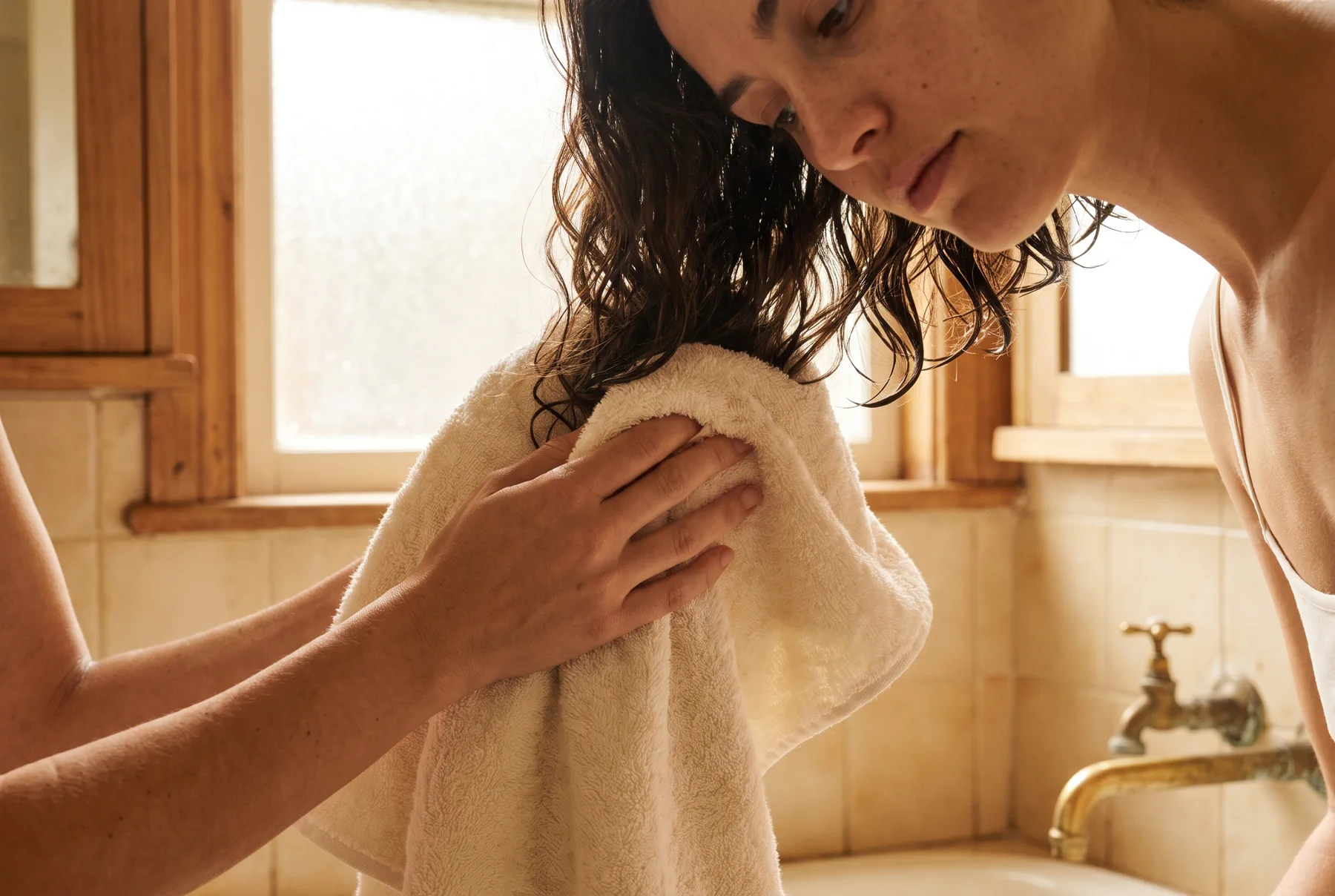
Read one label, not five online routines
Frequency and contact time are product-specific. Some shampoos need time on the scalp before rinsing; others have different instructions. Follow the Canadian label or the directions provided by a physician, dermatologist or pharmacist.
Apply treatment to the scalp
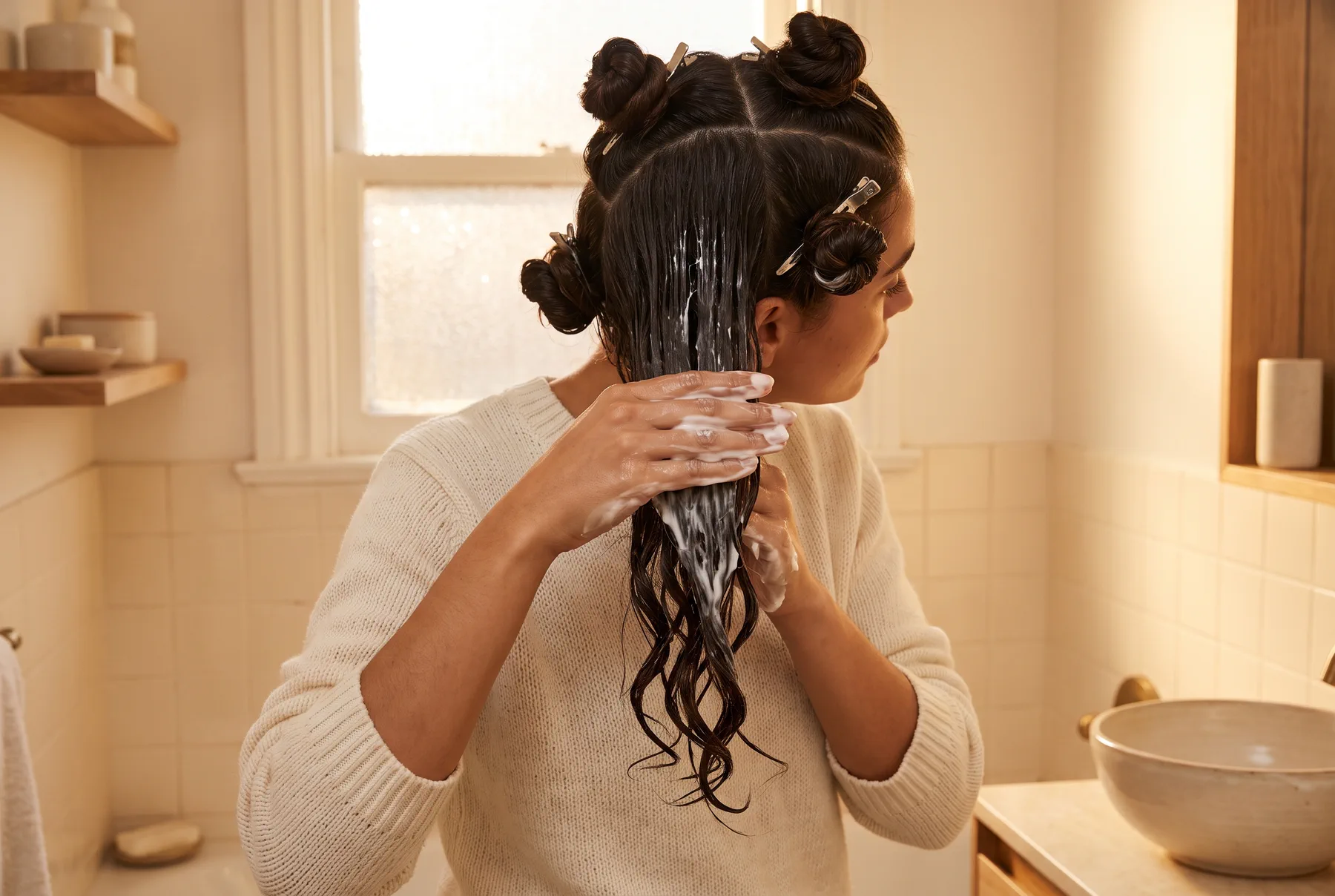
Part the hair in sections if needed. Place the product where the flakes and itch begin, lather gently and avoid scratching with fingernails. Rinse as directed.
Unless the label says otherwise, the treatment job is at the scalp. Repeatedly coating dry or colour-treated lengths with medicated shampoo may make them harder to manage.
Condition the lengths when appropriate
After rinsing, use a compatible conditioner through the mid-lengths and ends when needed. This can improve slip and reduce the pulling required for detangling. Keep rich conditioner away from the scalp if it increases buildup or conflicts with the treatment label.
Give the selected product a fair, correct trial
Do not use it once, declare failure and add several remedies. Use it exactly as directed and note the dates, symptoms and any irritation. If it does not work within the label's stated period, or symptoms worsen, ask a pharmacist or clinician what to do next.
Stop when the reaction is concerning
Stop the product and seek advice for swelling, blistering, severe burning, breathing difficulty or another significant reaction. Rinse the eyes promptly if the label instructs you to do so after accidental contact.
Adjust the routine for hair texture and density
Straight or wavy hair with an oily scalp
More frequent cleansing may suit oil and buildup, but the medicated product still follows its label. Apply treatment at the scalp, rinse thoroughly and use lightweight conditioning through the ends as needed.
Curly or coily hair
Curly and tightly coiled lengths may become dry when repeatedly exposed to medicated shampoo. Section the hair for accurate scalp application and protect the lengths with compatible conditioning. A dermatologist may adjust the schedule according to the condition and haircare pattern.
Fine or low-density hair
Apply conditioner sparingly through the lengths so the roots do not become coated. Avoid aggressive brushing to remove visible flakes. Treat the scalp and use gentle styling for the fibre.
Thick or high-density hair
Use sections so the medicated product reaches the scalp instead of sitting mostly on the hair. Rinse carefully around the crown, nape and behind the ears.
Protective styles, wigs and extensions
The scalp still needs access for cleansing and treatment. A style that prevents application, traps heavy buildup or causes pain may need adjustment. Persistent itching under an installed style should not be hidden for weeks.
What about colour-treated or chemically treated hair?
Do not assume every dandruff shampoo is colour-safe. Check the label for warnings related to colour, bleach, perming, straightening or light hair. Ask a stylist and pharmacist when treatment and chemical-service instructions conflict.
Keep the medicated shampoo mainly at the scalp when the label allows, rinse thoroughly and condition the lengths. If a new colour service caused burning, swelling or a spreading rash, contact dermatitis may be involved and professional advice is more useful than switching shampoos repeatedly.
Where Celine Claire products fit
Celine Claire's currently verified haircare products are cosmetic, not confirmed anti-dandruff drugs. They should not replace a labelled medicated shampoo when dandruff treatment is needed.
A non-medicated cleanser may be used on other wash days only when it fits the treatment label, scalp needs and professional advice. Hair Enhancement Shampoo supports cosmetic cleansing, moisture, manageability and reduced breakage for dry, brittle or thinning-looking hair; it is not presented as dandruff treatment.
Conditioners and masks can support the lengths when medicated shampoo leaves them dry. Keep them away from the scalp if that conflicts with the treatment plan. Oils belong on the lengths and ends according to their directions, not on an inflamed or unexplained flaky scalp.
Explore Scalp Care for non-diagnostic product discovery or read the Hair Enhancement Shampoo guide for its cosmetic use.
Home remedies: why “natural” does not mean harmless
Tea tree oil, apple cider vinegar, lemon juice, baking soda, coconut oil, aloe and rosemary oil appear frequently in dandruff advice. That does not make a homemade scalp mixture predictable, properly preserved or suitable for irritated skin.
Essential oils can cause irritation or allergy. Acids and alkalis can burn or worsen the skin barrier when the concentration is unknown. Heavy oils may make scale harder to assess or aggravate some scalps. A labelled treatment has defined ingredients, directions and warnings that a kitchen mixture does not.
If you prefer a plant-derived or natural health product, look for an NPN and follow its approved label rather than improvising a formula.
Common mistakes that make the process harder
- Treating dry scalp and dandruff as the same condition.
- Applying medicated shampoo mostly to the hair instead of the scalp.
- Ignoring the required label contact time.
- Using the product more often because
stronger must be better. - Adding vinegar, essential oils and exfoliating scrubs at the same time.
- Scraping scale with nails or a sharp scalp tool.
- Applying rich oils directly over an itchy, inflamed scalp.
- Switching products so often that no result can be evaluated.
- Assuming a rash after hair dye is ordinary dandruff.
- Waiting while redness, pain, swelling or patchy hair loss progresses.
When to see a physician or dermatologist
Arrange professional care when:
- symptoms remain after the product has been used correctly for the label's stated trial period;
- dandruff is severe or the itch disrupts sleep or daily life;
- the scalp is red, swollen, painful, weeping, crusted or bleeding;
- flakes or rash appear on the face, ears, chest or other areas;
- there are thick plaques or silvery scale;
- hair breaks off in patches or bare areas appear;
- a child has significant scalp scaling or hair loss;
- symptoms began after a hair dye, chemical service or new product;
- a treatment causes a significant reaction;
- you are unsure whether a product is appropriate during pregnancy, breastfeeding or alongside another condition or medication.
A clinician may identify seborrheic dermatitis, psoriasis, eczema, contact dermatitis, infection or another cause and recommend a different treatment.
Frequently asked questions
Is dandruff contagious?
No. Dandruff is not passed from one person to another. Shared tools should still be cleaned for general hygiene, and some contagious scalp infections can resemble dandruff, so patchy hair loss or marked inflammation needs assessment.
Is dandruff caused by poor hygiene?
No. It may become more visible when oil and flakes accumulate, but dandruff is not proof that someone is unclean.
Can dandruff be cured permanently?
Dandruff often recurs. It can usually be managed, and some people need maintenance use according to the product label or dermatologist's plan. Avoid products that promise a permanent cure.
How often should I use dandruff shampoo?
Follow the exact product label or professional instructions. Frequency varies by active ingredient, formulation, symptoms and hair texture. Do not copy another person's schedule.
How long should dandruff shampoo stay on the scalp?
Use the contact time on that product's label. Different medicinal ingredients and formulations have different directions.
Can dandruff cause hair loss?
Dandruff is not a universal explanation for hair loss. Scratching and inflammation can contribute to breakage or shedding, while patchy loss may signal another condition. Seek assessment when density changes.
Does dry scalp cause dandruff?
Dry scalp and dandruff can both flake, but they are not the same diagnosis. Dryness may respond to a gentler non-medicated routine, while dandruff often needs an authorized medicated shampoo.
Can I use anti-dandruff shampoo on colour-treated hair?
Only if the specific label and your colour-service instructions allow it. Some products have cautions related to colour, bleach or chemical services. Ask a pharmacist and stylist when unsure.
Should I rotate dandruff shampoos?
Some people are advised to alternate active ingredients when one option does not work well enough. Make that change with a pharmacist or dermatologist rather than combining several products without a plan.
Is tea tree oil a dandruff treatment?
Do not apply undiluted tea tree oil to the scalp. If a licensed product contains it for an approved purpose, follow that product's label. A homemade essential-oil mixture can irritate or sensitize skin.
Does apple cider vinegar remove dandruff?
This guide does not recommend vinegar as dandruff treatment. Homemade concentrations are inconsistent and can irritate an already inflamed scalp.
Can coconut or argan oil treat dandruff?
An oil can soften and add slip to the hair fibre, but it is not automatically a dandruff treatment. Keep Celine Claire Moroccan Argan Oil on the lengths and ends according to its product directions rather than applying it to an unexplained irritated scalp.
Should I exfoliate a flaky scalp?
Do not scrape or aggressively scrub it. Some authorized treatments contain scale-loosening ingredients, but they should be used according to the label. Inflamed, sore or broken skin needs professional advice.
Can stress make dandruff worse?
Stress may be associated with flare-ups for some people, but stress management does not replace a properly selected treatment or medical assessment.
Does diet treat dandruff?
There is no universal dandruff diet. Eat according to your broader health needs and seek medical advice for a suspected deficiency. Do not use high-dose supplements as a dandruff remedy without a documented need.
What if dandruff shampoo makes my hair dry?
Confirm that you are applying it mainly to the scalp and following the label. Use compatible conditioning on the lengths and ask a pharmacist or dermatologist about another option if irritation or dryness remains troublesome.
Can I use Hair Enhancement Shampoo to treat dandruff?
No. Hair Enhancement Shampoo is a cosmetic cleanser for moisture, manageability, reduced breakage and a fuller-looking finish. It is not presented as an anti-dandruff drug.
Is Celine Claire made in Canada?
Celine Claire is a Canadian haircare brand. The website does not make a blanket claim that its products are made in Canada.
Sources
- American Academy of Dermatology: How to treat dandruff supports medicated-shampoo use, ingredient categories, scalp application, hair-texture adjustments and referral for persistent or severe symptoms.
- American Academy of Dermatology: Seborrheic dermatitis diagnosis and treatment supports condition-specific treatment and clinician involvement.
- American Academy of Dermatology: Dry scalp and related conditions supports differentiating dry scalp, dandruff and other conditions.
- NHS: Dandruff supports the non-contagious and non-hygiene language, possible alternative conditions and care-seeking signals.
- Health Canada: Non-prescription Drug Category IV Monographs confirms that anti-dandruff products have defined active ingredients, permitted uses, directions and warnings under the applicable monograph.
- Health Canada: Cosmetic advertising, labelling and ingredients supports the boundary between cosmetic and therapeutic claims.