

Choose hydrating shampoo when dry, rough, frizzy or colour-treated lengths need a moisture-focused wash. Choose volume shampoo when fine, flat or quickly weighed-down hair needs a lighter cleansing foundation for body and movement.
Your scalp and lengths can want different things. Oily roots do not prevent you from having dry ends, and fine hair can still be frizzy. Choose shampoo mainly from what needs cleansing at the scalp, then use conditioner placement and styling to balance the lengths.
The difference at a glance
| Question | Hydrating shampoo | Volume shampoo |
|---|---|---|
| Main goal | Cleanse while supporting softness and manageability | Cleanse oil and buildup that can hold fine hair down |
| Often suits | Dry-feeling, rough, frizzy, dull or colour-treated hair | Fine, thin, limp or flat-looking hair; oil- or product-weighed roots |
| Desired finish | Softer, smoother-looking, more conditioned feel | Lighter body, bounce and movement |
| Conditioner pairing | Hydrating conditioner through lengths | Lightweight volume conditioner mainly through mid-lengths and ends |
| Does it guarantee a result? | No permanent hydration promise | No permanent thickening or guaranteed lift |
| Can you alternate? | Yes, when different wash days have different needs | Yes |
What hydrating shampoo is designed to do
A hydrating shampoo still cleans. Its difference is the intended finish: hair that feels less harsh after washing and is easier to condition, detangle and manage.
It may suit hair that:
- feels dry or rough through the lengths;
- looks dull or frizzy after washing;
- is curly, coily, coarse or porous;
- has been coloured or chemically processed;
- is exposed to regular heat or styling products;
- needs softness to matter more than maximum root lightness.
The word “hydrating” does not mean the shampoo should be worked repeatedly into dry ends. Apply shampoo to the scalp, massage gently and allow the lather to move through the lengths while rinsing.
What volume shampoo is designed to do
Volume shampoo creates a cleaner, lighter foundation. Oil, dry shampoo and styling residue can make fine strands adhere to one another and sit closer to the scalp. Removing that weight can help the hair show more of its natural movement.
It may suit hair that:
- is fine, thin, limp or flat-looking;
- becomes oily or separated at the roots quickly;
- loses body after rich shampoos or heavy conditioning;
- uses dry shampoo, finishing spray or styling products;
- needs a clean base before volume-focused blow-drying;
- wants softness without a dense mask-like finish.
Volume shampoo cannot change follicle count or permanently increase strand diameter. Haircut, density, root direction, drying method and styling products influence the visible result.
Start with the scalp, then assess the lengths
Use these two questions:
- What needs to be removed from the scalp today? Oil, sweat, dry shampoo and styling residue point toward cleansing need.
- How do the lengths feel after washing? Roughness, tangling and frizz point toward moisture and conditioning need.
This approach solves mixed hair more accurately than choosing from texture alone.
Choose hydrating shampoo when
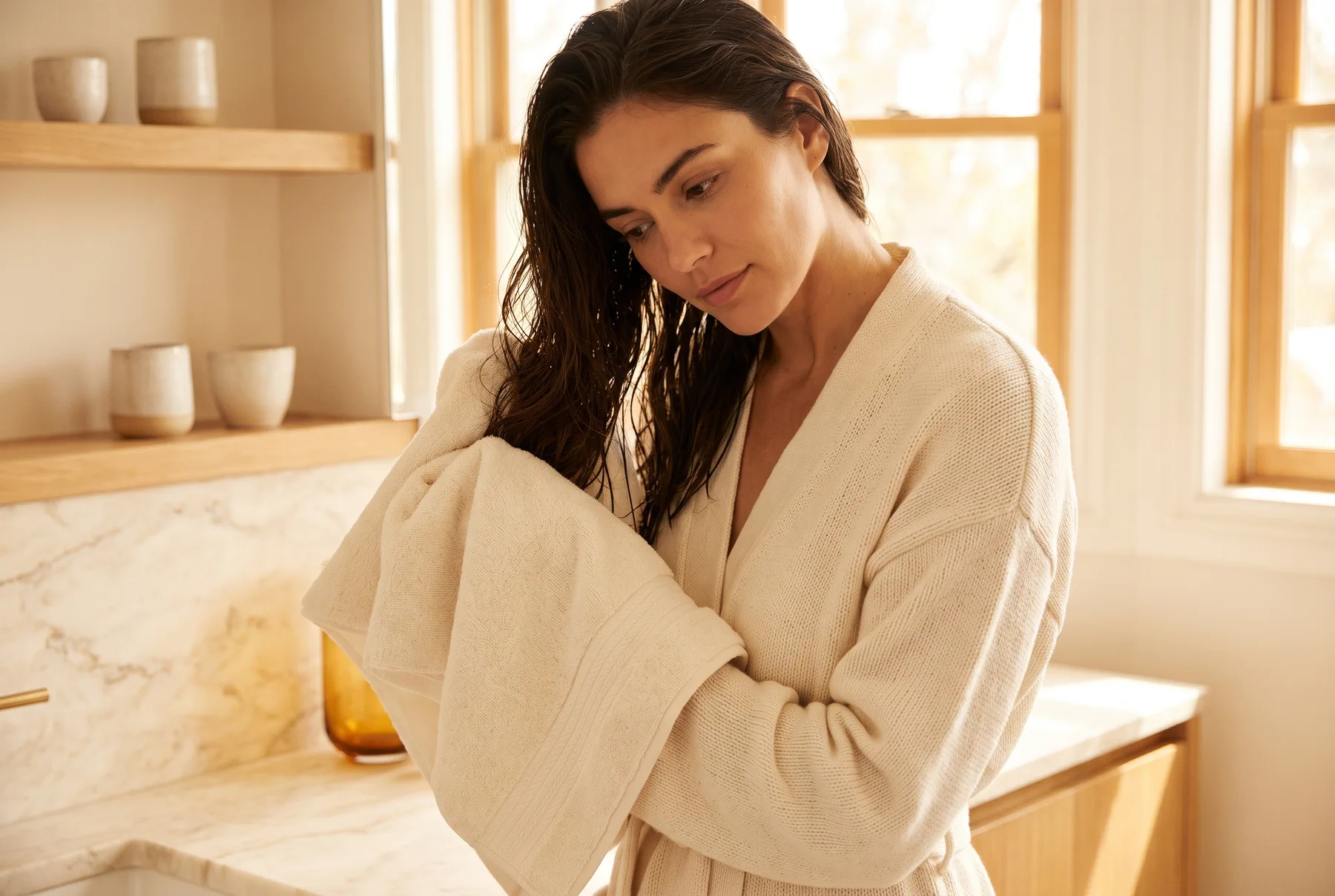
Dryness remains after ordinary washing
If the scalp becomes clean but the lengths consistently feel rough, a moisture-focused cleanser and conditioner may provide a better starting point.
Frizz and tangling matter more than root lift
Hydrating care can support a smoother, more manageable finish. Styling technique and weather still affect frizz.
Hair is colour-treated or frequently heat-styled
Processed or styling-worn lengths often need gentler handling and appropriate conditioning. Reconfirm exact colour-safe and formula claims on the product label.
Texture needs slip
Waves, curls and coils can need conditioning support even when the scalp is clean. Match the shampoo with a rinse-out conditioner and gentle detangling method.
Choose volume shampoo when
Fine roots lose movement quickly
Oil and product residue can make fine hair look separated or flat. A volume-focused cleanse can prepare the roots for styling without promising artificial density.
Rich products leave hair limp
Switching the cleanser may help, but conditioner placement often matters just as much. Keep richer care mainly through the mid-lengths and ends.
Styling buildup is reducing body
Volume Shampoo can remove everyday oil and light buildup. Purifying Shampoo remains a separate deeper-preparation product for its defined uses and should not replace daily shampoo automatically.
You plan a volume-focused style
Clean roots are easier to direct during blow-drying. Use separate heat protection before heated tools. Shampoo prepares the foundation; technique creates much of the lift.
What if you have oily roots and dry ends?
You do not have to choose one description for the whole head.
Try this structure:
- Choose shampoo from the scalp's oil and buildup level.
- Apply it mainly at the scalp and roots.
- Let the lather rinse through the lengths instead of scrubbing the ends.
- Apply conditioner where the hair is dry, usually mid-lengths and ends.
- Use a mask only when regular conditioner is not enough.
A volume shampoo at the roots with careful conditioning through the ends may work better than coating fine roots with a richer formula. On a different wash, a hydrating shampoo may fit when the lengths feel especially rough.
Can fine hair use hydrating shampoo?
Yes. Fine describes strand diameter, not moisture level. Fine hair can be dry, coloured, curly or frizzy.
Use a controlled amount, rinse thoroughly and keep conditioner away from roots when volume is a priority. If hair repeatedly dries flat or coated, alternate with the volume route rather than abandoning hydration entirely.
Can dry or curly hair use volume shampoo?
Yes, when oil or buildup is the main problem on that wash. Follow with suitable conditioner and judge the dried result.
If the lengths become rougher, use the volume shampoo less often, limit it to the scalp or return to the hydrating route. Curl definition can depend on both clean roots and adequate conditioning.
You can alternate by wash-day need
Alternating is useful when the hair changes through the week or season.
Choose the volume route after
- several days of dry shampoo;
- a heavy styling-product routine;
- unusually oily roots;
- a flat finish that persists despite better conditioner placement;
- a planned body-focused blow-dry.
Choose the hydrating route when
- the lengths feel rough or tangled;
- colour or heat styling has increased dryness;
- humidity and friction have made the hair difficult to manage;
- a previous volume wash left the ends needing more softness;
- moisture and curl manageability matter more than maximum root lightness.
Do not alternate by a rigid calendar. Let the scalp, buildup and previous dried result guide the next wash.
Celine Claire Argan Oil Hydrating Shampoo
Argan Oil Hydrating Shampoo is a 500 ml clear liquid shampoo for dry-feeling, frizzy, dull or colour-treated hair. Its current product story features argan oil, keratin and vitamin E and positions the formula for softness, smoothness, shine and manageability across straight, wavy, curly and coily textures.
How to use it
- Wet the scalp and hair thoroughly.
- Apply an amount suited to density and buildup, beginning at the scalp.
- Massage gently with fingertips.
- Let the lather move through the lengths without rough scrubbing.
- Rinse completely.
- Repeat only when heavier oil or buildup requires it.
- Follow with Argan Oil Hydrating Conditioner.
Explore Argan Oil Hydrating Shampoo
Explore Argan Oil Hydrating Conditioner
Celine Claire Moroccan Argan Oil Volume Shampoo
Moroccan Argan Oil Volume Shampoo is a lightweight 500 ml cleanser for fine, thin, limp or flat-looking hair. It is positioned to wash away oil and buildup while supporting fuller-looking body, bounce, softness and movement.
How to use it
- Wet hair thoroughly.
- Emulsify a small amount in wet hands.
- Massage gently into the scalp and roots.
- Draw the lather through the lengths without rough scrubbing.
- Rinse well.
- Repeat only when oil or buildup requires it.
- Follow with Moroccan Argan Oil Volume Conditioner through the mid-lengths and ends.
Explore Moroccan Argan Oil Volume Shampoo
Explore Moroccan Argan Oil Volume Conditioner
Compare the complete routines
| Step | Hydration route | Volume route |
|---|---|---|
| Cleanse | Argan Oil Hydrating Shampoo | Moroccan Argan Oil Volume Shampoo |
| Condition | Argan Oil Hydrating Conditioner | Moroccan Argan Oil Volume Conditioner |
| Mask | Argan Oil Hair Mask when needed | Add a mask only when the lengths need it; keep fine roots light |
| Leave-in | Choose one suitable leave-in when needed | Use a light amount only where needed |
| Heat | Separate verified heat protectant | Separate verified heat protectant |
| Finish | Measured oil for softness and shine if needed | Volume styling technique and compatible styling product |
How washing technique changes the result
Use enough water
Thorough saturation helps shampoo spread across the scalp. Adding more product to partly wet hair can make distribution uneven.
Massage the scalp, not the hair pile
Use fingertips rather than nails. Avoid rubbing the lengths into a tangled bundle on top of the head.
Repeat only when necessary
A second light cleanse can help after heavy oil, dry shampoo or styling residue. More lather on the second wash does not prove that two washes are always required.
Rinse completely
Residue can affect both softness and volume. Rinse the scalp and lower sections carefully, especially on dense hair.
Place conditioner deliberately
Fine hair can still use conditioner. Keep the amount controlled and focus on the lengths and ends. Dry or curly hair may need broader placement according to the exact product directions.
Common comparison mistakes
Assuming hydration always means heavy
Formula, amount, rinse quality and conditioner placement matter. Fine hair can use hydrating shampoo when dryness is the main need.
Assuming volume shampoo creates new hair
Volume products support a cosmetic fuller-looking finish. They do not create follicles or treat hair loss.
Using volume shampoo but heavy products at the roots
Rich conditioner, masks, oils and creams can counter the lighter foundation. Adjust the entire routine, not only the shampoo.
Scrubbing dry ends to remove buildup
Concentrate shampoo at the scalp. Use a deliberate deeper-cleaning product only when its defined purpose fits.
Skipping conditioner on fine hair
Fine hair still needs slip and detangling. Use a lightweight conditioner mainly through the lengths and rinse thoroughly.
Treating flakes as a shampoo-selection problem only
Persistent flaking, itching, sores, burning or scalp inflammation may need medical assessment or a medicated product, not simply a switch between hydrating and volume shampoo.
Frequently asked questions
What is the main difference between hydrating and volume shampoo?
Hydrating shampoo prioritizes a softer, smoother, more manageable finish. Volume shampoo prioritizes a lighter cleansing foundation for body and movement.
Is hydrating shampoo good for fine hair?
Yes, when fine hair is also dry, frizzy, coloured or difficult to manage. Use a controlled amount and keep later conditioning light near the roots.
Is volume shampoo good for dry hair?
It can be used when scalp oil or buildup is the main concern, but dry lengths may need hydrating conditioner or a different cleanser on other washes.
Can hydrating shampoo weigh hair down?
Any routine can feel heavy when the formula, amount, rinse or later layers do not fit. Reduce overlap and assess the fully dried result.
Does volumizing shampoo dry hair out?
Not automatically. Product formula and use matter. If the lengths become rough, use it mainly at the scalp, condition appropriately or alternate with hydrating shampoo.
Can I alternate hydrating and volume shampoo?
Yes. Choose according to scalp oil, styling buildup, dryness and the previous wash result rather than a fixed schedule.
Which shampoo is better for oily roots and dry ends?
Choose shampoo for the scalp's cleansing need and conditioner for the lengths. Volume Shampoo may fit oily or weighed-down roots, while hydrating conditioner supports dry ends.
Which shampoo is better for curly hair?
Hydrating Shampoo may fit curls that need softness and manageability. Volume Shampoo may fit curls with oily or product-weighed roots. Density, dryness and styling goal decide.
Which shampoo is better for colour-treated hair?
Argan Oil Hydrating Shampoo is currently positioned as suitable for colour-treated hair. Confirm that statement on the current bottle. Do not assign colour-safe status to Volume Shampoo until its formula is verified.
Does volume shampoo make hair thicker?
It can support fuller-looking body by removing oil and buildup and preparing hair for styling. It does not permanently change strand diameter or create new growth.
How often should I wash with either shampoo?
Wash according to scalp oil, dirt, sweat, buildup and comfort. Adjust if the scalp or lengths feel dry. There is no universal schedule for every texture.
Should I shampoo twice?
Only when heavier oil or product buildup requires it. A single thorough cleanse may be enough on many wash days.
Should shampoo go on the scalp or ends?
Apply mainly to the scalp and roots. Let the lather pass through the lengths during rinsing instead of scrubbing fragile ends.
Do I need conditioner after volume shampoo?
Yes, when the lengths need slip and softness. Moroccan Argan Oil Volume Conditioner is the matching lightweight option. Apply mainly through the mid-lengths and ends.
Can either shampoo treat dandruff or hair loss?
No medical treatment should be inferred. Persistent scalp symptoms or unexplained shedding need appropriate assessment and may require a medicated product.
Is Celine Claire made in Canada?
Celine Claire is a Canadian haircare brand. Product manufacturing origin should only be stated when documented for that exact item.
Sources
- American Academy of Dermatology, “Tips for healthy hair”:
https://www.aad.org/public/everyday-care/hair-scalp-care/hair/healthy-hair-tips - D'Souza and Rathi, “Shampoo and Conditioners: What a Dermatologist Should Know?”:
https://pmc.ncbi.nlm.nih.gov/articles/PMC4458934/ - Draelos, “Essentials of Hair Care often Neglected: Hair Cleansing”:
https://pmc.ncbi.nlm.nih.gov/articles/PMC3002407/ - Approved Celine Claire product masters for Products 003, 004, 015 and 016.