

Use a hair mask when regular conditioner is not giving the lengths enough softness, slip or manageability, then adjust from the fully dried result. There is no single weekly schedule that fits every product and every head of hair.
Wash frequency, texture, density, colour or chemical history, heat exposure, mask richness and placement all matter. Someone who washes daily and has fine hair should not automatically follow the same calendar as someone who washes less often and has dense, dry curls.
The practical answer
Start with one mask wash using the exact product directions. Let the hair dry completely and observe how it behaves through the next wash cycle.
- If the hair feels softer, detangles more easily and still moves freely, the frequency may fit.
- If the benefit disappears well before the next wash, consider using the mask on the next appropriate wash, provided its directions allow it.
- If the hair feels coated, limp, oily-looking, stiff or harder to style, use less product, change placement or wait longer before the next mask.
- If there is no useful difference, check whether the chosen mask matches the actual concern.
The goal is not to use the mask as often as possible. It is to find the lightest routine that produces a manageable result.
Why “once a week” is only a starting idea
Weekly use is easy to remember, but it ignores how often the hair is washed. A weekly mask could mean every wash for one person and every seventh wash for another.
Think in wash cycles, not calendar days:
- Choose a wash when the lengths need more than regular conditioner.
- Use one mask according to its label.
- Keep the rest of the routine familiar.
- Judge the dry result and how long it remains comfortable.
- Repeat, reduce or switch the product based on that result.
Changing one variable at a time makes the pattern easier to understand.
A four-step frequency ladder
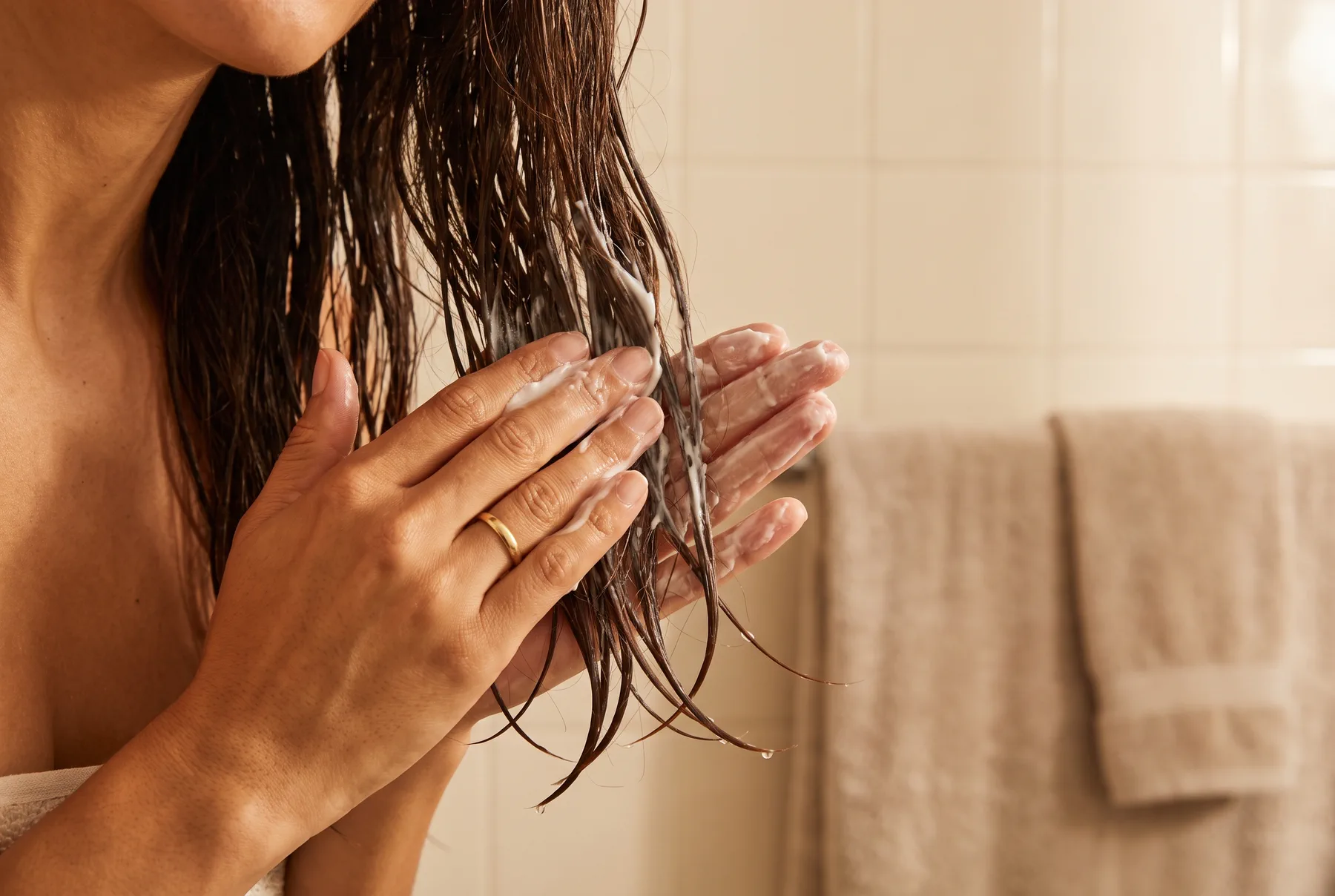
Step 1: Begin as needed
Do not begin with daily use simply because the hair feels dry. Try the exact mask on one wash and assess it before repeating.
Step 2: Adjust the amount before the calendar
Hair that feels heavy may not need a much longer gap. It may need less product, better rinsing or placement farther from the roots.
Step 3: Adjust frequency from the dry result
Increase only when the same need returns and the previous use left the hair manageable. Reduce when coating, stiffness or loss of movement appears.
Step 4: Reassess after a routine change
Colouring, lightening, a haircut, a new cleanser, more heat, seasonal humidity or a new water source can change what the lengths need. The old mask rhythm may no longer fit.
Frequency by hair characteristics

Fine, short or easily weighed-down hair
Begin with a small amount on the driest lengths and ends. Keep it away from the roots unless the exact label directs otherwise. Use the mask occasionally at first and judge volume and movement after drying.
If the result is flat, reduce amount or placement before deciding that masks never suit fine hair. A lighter rinse-out conditioner or its controlled mask method may fit better than a dense treatment.
Thick, coarse or dense hair
Dense hair may need more sections for even coverage. Sectioning can distribute a controlled amount more effectively than applying a large amount to the outer layer.
Repeat when softness and detangling benefits fade, not simply because a calendar reminder appears.
Wavy, curly or coily hair
Texture often benefits from good shower slip and gentle detangling, but mask weight can still affect volume and definition. Apply evenly, rinse as directed and assess curl grouping after the hair is completely dry.
If curls become stretched or coated, use less or mask less often. If the lengths remain rough and tangle easily, check sectioning and product choice before increasing frequency.
Colour-treated, lightened or chemically processed hair
Processed lengths may need richer conditioning because chemical services can increase roughness and fragility. That does not make unlimited mask use or longer processing automatically better.
Follow the exact product timer. Review how the mask fits the colour or smoothing aftercare. Pause and ask the stylist when the hair is breaking, unusually elastic or recently exposed to another advanced service.
Oily roots with dry ends
Treat the two zones differently. Cleanse the scalp according to its needs and apply the mask mainly through dry mid-lengths and ends. A heavy scalp application will not correct dry ends and can make the root area feel coated.
Frequency by mask type
Moisture-focused or rich conditioning mask
Use it when regular conditioner is not giving the lengths enough softness, slip or manageability. Reduce frequency when hair loses movement or feels coated.
Protein-positioned mask
Do not diagnose a protein need from one stretch test or a vague “gummy” feeling. Consider the formula, chemical history and other protein-positioned products already in the routine.
Introduce one product at a time. If the hair becomes stiff or harder to detangle, stop stacking strengthening products and reassess.
Purple or toning mask
Frequency follows both the label and the return of unwanted warm-looking tones. A purple mask is not simply a moisture mask in a different colour.
Using it more often or leaving it longer can over-deposit tone or make the result look dull on some hair. Follow the exact maximum time and reduce use when the desired tone is already present.
Conditioner used through a separate mask method
Some conditioners provide a longer mask method. Use that route instead of automatically adding a separate mask. The same product can have different timings, so keep the regular and mask methods distinct.
Celine Claire's three mask routes
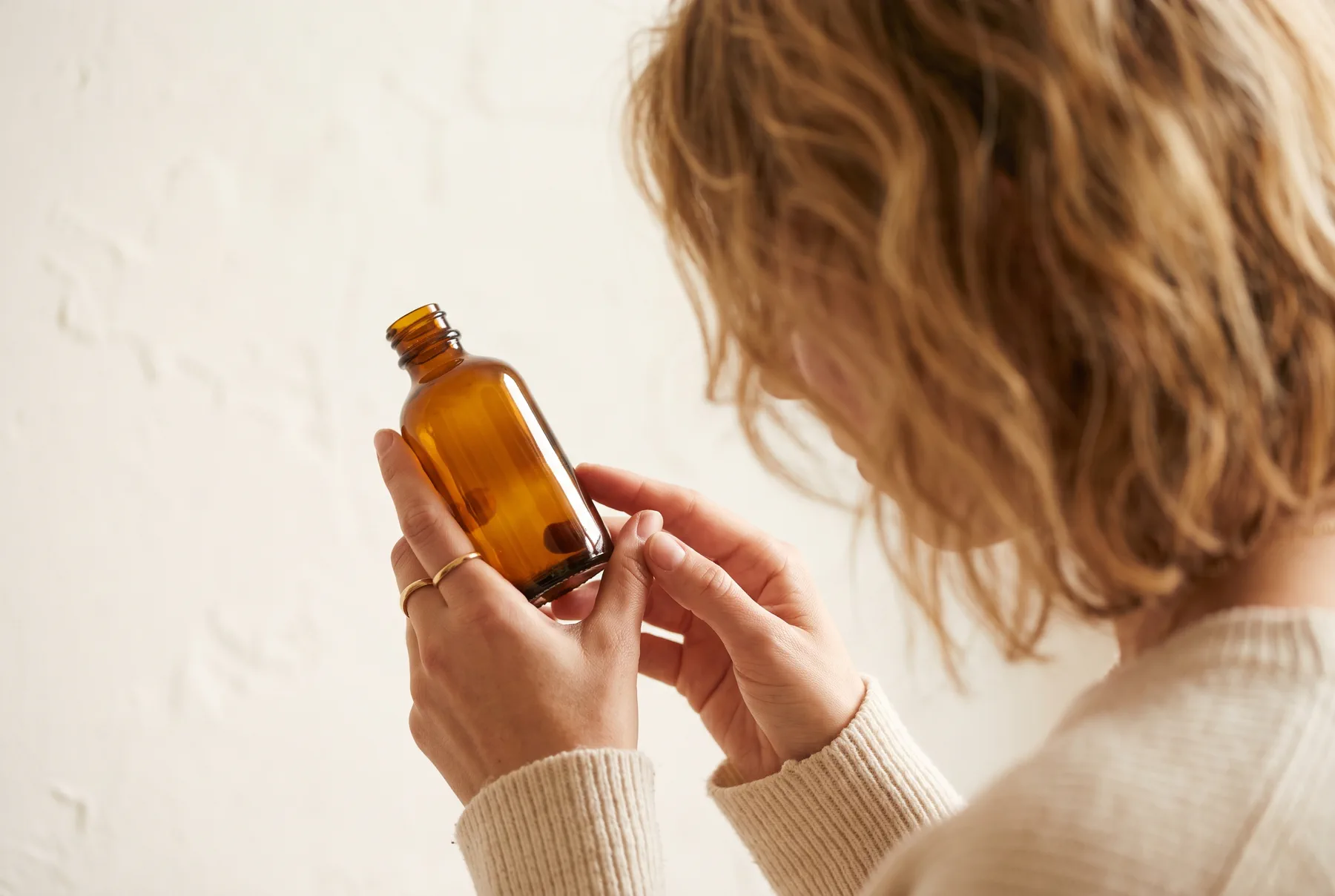
Argan Oil Hair Mask: 2–3 minutes, as needed
Argan Oil Hair Mask, also identified historically as Intense Hair Mask, is the rich moisture-and-repair path for dry, rough, tangled, colour-stressed or heavily styled lengths.
Use the current approved method:
- Shampoo and rinse.
- Towel-blot excess water.
- Apply through the mid-lengths and ends.
- Leave for 2–3 minutes.
- Rinse thoroughly.
- Follow with Celine Claire conditioner under the current product directions.
Use it as needed. The current FAQ says it can be suitable for daily use on heavily styled or colour-treated hair, but that statement does not make daily masking necessary for every customer. Start conservatively and reduce use if the hair feels coated or heavy.
Purple Mask: no more than five minutes on toning day
Purple Mask is for blonde, silver, grey or highlighted hair when unwanted yellow or warm-looking tones return. Apply according to its exact directions, leave for no more than five minutes and rinse well.
Under the current approved route, Purple Mask is the conditioning step on that toning wash, so regular conditioner is skipped. Do not automatically add Argan Oil Hair Mask in the same wash.
Argan Oil Hydrating Conditioner: ten-minute mask method
Argan Oil Hydrating Conditioner uses approximately five minutes for regular conditioning. Its separate mask method uses ten minutes before thorough rinsing.
Choose the ten-minute method when the hair needs a deeper version of the same conditioning product. Do not stack another mask automatically.
Explore Argan Oil Hydrating Conditioner
Signs you may be using a hair mask too often
The roots look oily sooner
Keep rich products away from the scalp by default and check rinsing. Product placement may be the issue before frequency.
Fine hair loses movement
Reduce the amount, concentrate on the ends or choose a lighter conditioning route.
Curls feel stretched or will not hold their usual shape
Too much product or overlapping creams and oils may be adding weight. Simplify the routine for the next wash.
Hair feels coated even after rinsing
Make sure the cleanser suits the accumulated products. Do not apply another mask to solve coating.
Hair becomes stiff or difficult to detangle
Review protein-positioned and strengthening products across the entire routine. Pause overlap rather than escalating treatment frequency.
Signs the current frequency may be too low
Consider another mask wash when:
- regular conditioner no longer provides enough slip;
- the same dry sections tangle again soon after washing;
- processed ends feel rough despite gentle handling;
- styling requires more pulling because the lengths are difficult to manage;
- the previous mask use improved the result without heaviness.
These signs still do not prove that the same mask is correct. Persistent breakage, sudden shedding or scalp symptoms need a different assessment.
Keep a three-wash mask record
For three wash cycles, record:
| What to note | Example |
|---|---|
| Product | Argan Oil Hair Mask |
| Amount and placement | Small amount through lower half of hair |
| Timer | Exact label time |
| Other conditioning products | Conditioner after mask, no extra leave-in cream |
| Dry result | Soft, normal movement, easier detangling |
| Before next wash | Ends stayed manageable or became rough again |
Do not change amount, product, timer and frequency at once. One controlled change is more useful than an elaborate routine with no clear cause and effect.
Common frequency mistakes
Using every mask once a week
Moisture, protein and toning masks have different jobs. Their frequencies should not be copied from one another.
Extending the timer instead of adjusting frequency
Longer is not automatically better. Use the product's timer and adjust the wash-day rhythm separately.
Masking every time hair feels frizzy
Frizz can also relate to drying technique, humidity, styling, friction or product distribution. A heavier mask is not the only answer.
Stacking a mask, conditioner and several leave-ins
The exact Argan Mask method does include conditioner afterward, but that does not require several additional creams and oils. Keep later layers controlled.
Applying a mask to treat scalp symptoms
Hair masks are designed for the fibre. Persistent itching, burning, sores, thick scale or sudden shedding should not be managed by increasing mask use.
Frequently asked questions
How many times a week should I use a hair mask?
There is no universal number. Start with one mask wash, follow the exact directions and adjust from the dry result and your wash frequency.
Can I use a hair mask every day?
Only when the exact product allows it and the hair benefits without coating or heaviness. Daily use is not the default. Celine Claire's current Argan Oil Hair Mask FAQ permits daily suitability for heavily styled or colour-treated hair, but most customers should begin as needed.
How often should fine hair use a mask?
Begin occasionally with a small amount on the driest ends. Reduce use if the hair becomes flat, coated or oily-looking.
How often should curly hair use a mask?
Adjust by wash frequency, density, dryness and dried curl result. Use enough for even slip without stretching the pattern through excess weight.
How often should colour-treated hair use a mask?
Use it when the lengths need richer care and the product fits the colour aftercare. Do not extend the timer or mask daily only because the hair is coloured.
How often should I use a protein hair mask?
Follow that product's directions and avoid overlapping several protein-positioned products. No strand-feel test sets one universal frequency.
How often should I use Purple Mask?
Use it according to its exact directions when unwanted warm-looking tones return. Leave Celine Claire Purple Mask for no more than five minutes and reduce use once the desired tone is present.
Can I use a mask every time I wash?
Possibly, if the exact product allows it and the dry result remains light and manageable. It is not automatically necessary. Alternate with regular conditioner when that gives enough care.
Should I use conditioner after a mask?
The product decides. Celine Claire Argan Oil Hair Mask currently directs you to rinse and follow with conditioner. Purple Mask replaces conditioner on its toning wash. Do not turn either rule into universal advice.
Can I leave a hair mask overnight?
Not unless the exact label allows it. None of the three Celine Claire routes in this guide should be rewritten as an overnight method.
Does leaving a mask longer make it work better?
Not necessarily. Use the exact timer. Argan Oil Hair Mask uses 2–3 minutes, Purple Mask has a five-minute maximum and Hydrating Conditioner uses ten minutes only through its separate mask method.
Can I use a hair mask on oily hair?
Yes, when the lengths need it. Keep richer product mainly through dry mid-lengths and ends and rinse thoroughly.
Why does my hair feel worse after a mask?
The product may be too rich, the amount too high, the timer wrong, rinsing incomplete or other layers may overlap. Simplify one variable at a time.
Does a hair mask repair split ends permanently?
No permanent fusion should be promised. Conditioning may make ends look smoother and easier to manage, while severely split ends usually require trimming.
Is a hair mask the same as deep conditioner?
The terms overlap in marketing, but product format and directions decide. Read the Deep Conditioning guide for the full distinction.
Is Celine Claire made in Canada?
Celine Claire is a Canadian haircare brand. Manufacturing origin should only be stated when documented for the exact product.
Sources
- American Academy of Dermatology, “Tips for healthy hair”:
https://www.aad.org/public/everyday-care/hair-scalp-care/hair/healthy-hair-tips - Gavazzoni Dias, “Hair Cosmetics: An Overview”:
https://pmc.ncbi.nlm.nih.gov/articles/PMC4387693/ - “Shampoo and Conditioners: What a Dermatologist Should Know?”:
https://pmc.ncbi.nlm.nih.gov/articles/PMC4458934/ - França-Stefoni et al., “On Hair Care Physicochemistry”:
https://pmc.ncbi.nlm.nih.gov/articles/PMC9921463/ - Approved Celine Claire masters for Blogs 004 and 011 and Products 004, 005 and 019.