

Effective treatment begins with the cause. Depending on the diagnosis, a clinician may discuss watchful waiting, changes to styling or medication, correction of a confirmed deficiency, an approved topical treatment, prescription therapy, a condition-specific treatment or a procedure. Shampoo, conditioner, masks and oils can support the existing hair fibre, but they are not substitutes for medical treatment.
Hair loss treatment is not one bottle, pill or procedure. Pattern hair loss, temporary excessive shedding, traction, alopecia areata, scalp disease, a confirmed deficiency and fibre breakage can all make hair look less full, but they do not call for the same response.
That is why the first useful step is an accurate assessment. A physician or dermatologist may consider the pattern, speed, symptoms, health history, medication, styling practices and, when needed, tests. Cosmetic haircare can support cleansing, conditioning and breakage control while that happens. It cannot identify or treat every cause.
Why treatment depends on the cause
Hair can become less dense because fewer follicles are producing visible strands, more hairs have shifted into a shedding phase, follicles are inflamed or scarred, repeated tension is damaging them, or the fibre is snapping before it reaches its usual length. More than one process can happen at once.
A dermatologist may ask when the change began, whether it was sudden or gradual, where it appears, whether the scalp hurts or itches, and what happened in the preceding months. They may also review medications, pregnancy or postpartum timing, illness, surgery, nutrition, family history, chemical services and tight hairstyles. Examination, blood work or a scalp biopsy may be appropriate in selected cases.
The purpose is not to make the process complicated. It is to avoid spending months on a treatment that was designed for a different problem.
First separate breakage, shedding and hair loss
Fibre breakage
Broken hairs are shorter pieces that snap along the shaft. Uneven lengths, rough ends and increased snapping during brushing often point to a fibre-care problem. Bleach, repeated chemical services, high heat, tight styling and rough detangling can contribute.
Conditioning, better slip, gentler detangling and lower heat can help protect the remaining fibre. Those steps do not restore a follicle that has stopped producing hair.
Excessive shedding
Excessive shedding releases complete strands from the scalp. It can follow childbirth, illness, surgery, fever, substantial weight change or major stress, sometimes with a delay between the event and the visible shedding.
Some shedding processes improve after the trigger resolves, while others overlap with another type of hair loss. Persistent or concerning shedding still deserves assessment.
Follicle-level hair loss
Follicle-level change may appear as a widening part, reduced density on top, recession around a tension area, smooth patches or a scar-like area. Different patterns point to different possibilities. A photograph or online checklist cannot confirm which one is present.
Compare causes, visible patterns and warning signs in the thinning-hair guide.
Hair-loss patterns and the kinds of care they may require
| Pattern or confirmed cause | What a treatment plan may involve | What cosmetic haircare can do |
|---|---|---|
| Hereditary pattern hair loss | An approved topical option, selected prescription treatment or procedure after assessment | Cleanse, condition, reduce breakage and improve the appearance of fullness |
| Temporary excessive shedding | Identifying and addressing the trigger; monitoring or treatment when another condition is present | Keep the routine gentle while new growth and existing lengths are vulnerable |
| Traction from tight hairstyles | Removing or reducing tension; early medical care when inflammation or established loss is present | Support low-tension styling and reduce fibre breakage |
| Alopecia areata or another patchy loss | Dermatologist-led observation or condition-specific treatment | Improve manageability of unaffected hair; it does not treat the autoimmune condition |
| Inflamed, infected or scarring scalp condition | Prompt diagnosis and cause-specific medical treatment | Avoid aggravating the scalp; cosmetic products are secondary |
| Confirmed nutrient deficiency or medical trigger | Correction of the documented cause under qualified care | Support handling and appearance, not correct the deficiency |
| Fibre breakage without follicle loss | Reduced heat and chemical overlap, conditioning, gentler detangling and trimming when needed | This is where cosmetic care can have its clearest role |
This table is a map for a conversation, not a diagnosis or treatment plan.
Treatment categories a clinician may discuss
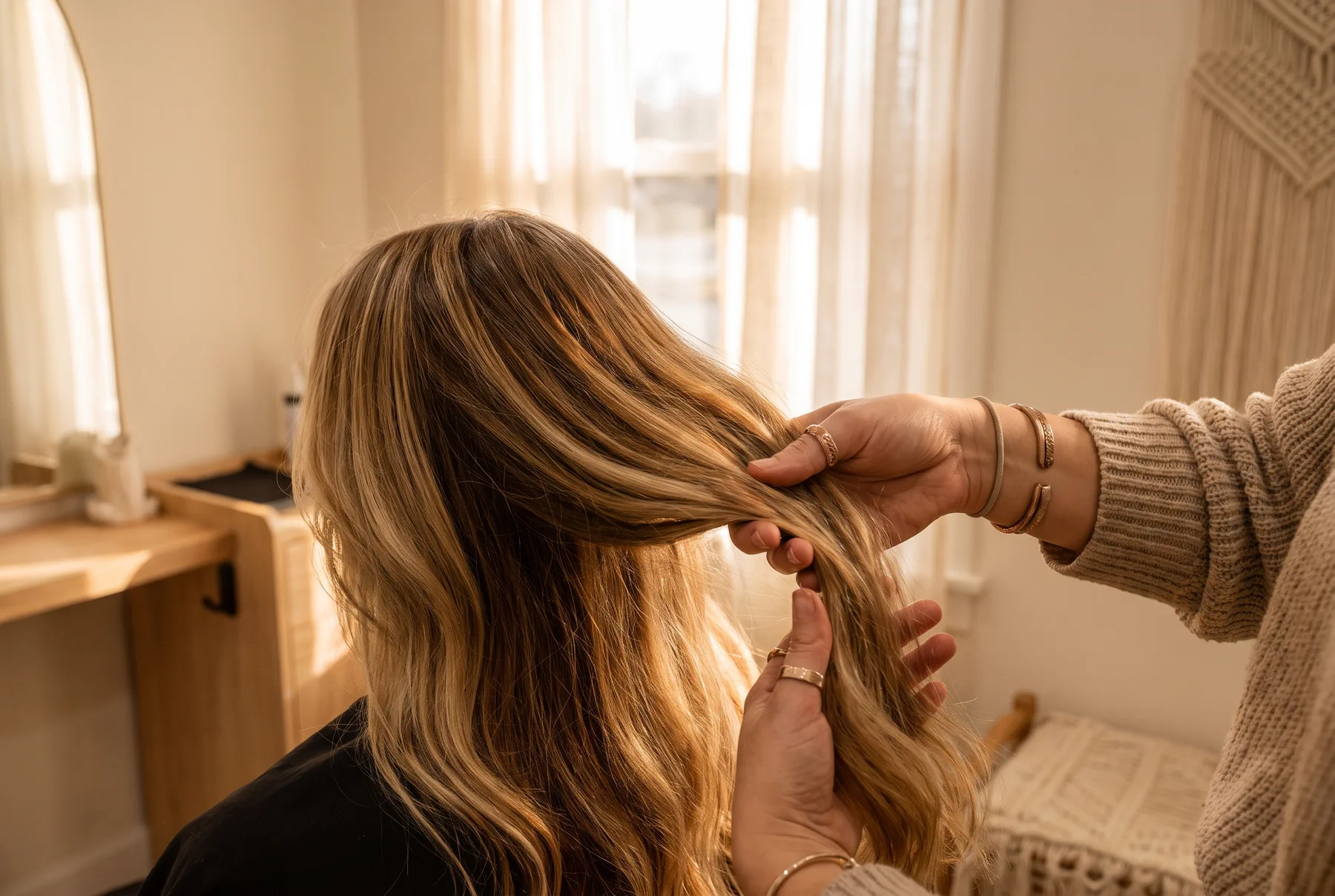
Monitoring and removing a trigger
Not every case needs immediate medication. Some forms of shedding may improve after a temporary trigger has passed. Traction-related change may require prompt removal of the pulling force. Medication-related shedding may require a discussion with the prescriber.
Do not stop a prescribed medicine on your own. Bring the timing, dose changes and symptoms to the professional who manages it.
Approved topical treatment
Minoxidil is a recognized treatment for selected forms of hair loss. It does not work for every cause or every person, and it is not an instant or permanent cure. Suitability, product strength, side effects, pregnancy or breastfeeding considerations, interactions and the need for continued use should be reviewed with a physician, dermatologist or pharmacist.
Avoid transferring a recommendation made for one type of loss to a smooth patch, inflamed scalp or scar-like area without a diagnosis.
Prescription treatment
Prescription options depend on the diagnosis, age, overall health, reproductive considerations, other medication and acceptable risk. A clinician may consider a hormone-related medicine for selected pattern loss, an anti-inflammatory or immune-directed treatment for a diagnosed condition, or an antimicrobial treatment when infection is present.
The names may appear together in online lists, but they are not interchangeable. Each has its own indications, contraindications, monitoring needs and possible side effects.
Correcting a confirmed deficiency or medical cause
If assessment finds iron deficiency, another nutrient deficiency, thyroid disease or a different medical contributor, the underlying issue may become part of the treatment plan.
Taking biotin, iron, zinc or another supplement without evidence of need is not a safer shortcut. High intake can cause harm, interact with care or interfere with laboratory results. Ask whether testing is appropriate before supplementing.
Condition-specific treatment
Alopecia areata, inflammatory scalp disease, fungal infection and scarring alopecia require different care. Some may be observed; others may require topical, injected or systemic treatment. Early assessment can be particularly important when inflammation or scarring threatens permanent follicle damage.
This is also why a cosmetic oil should not be applied to unexplained patches, sores or a painful scalp in place of diagnosis.
Procedures: useful for selected candidates, not universal fixes
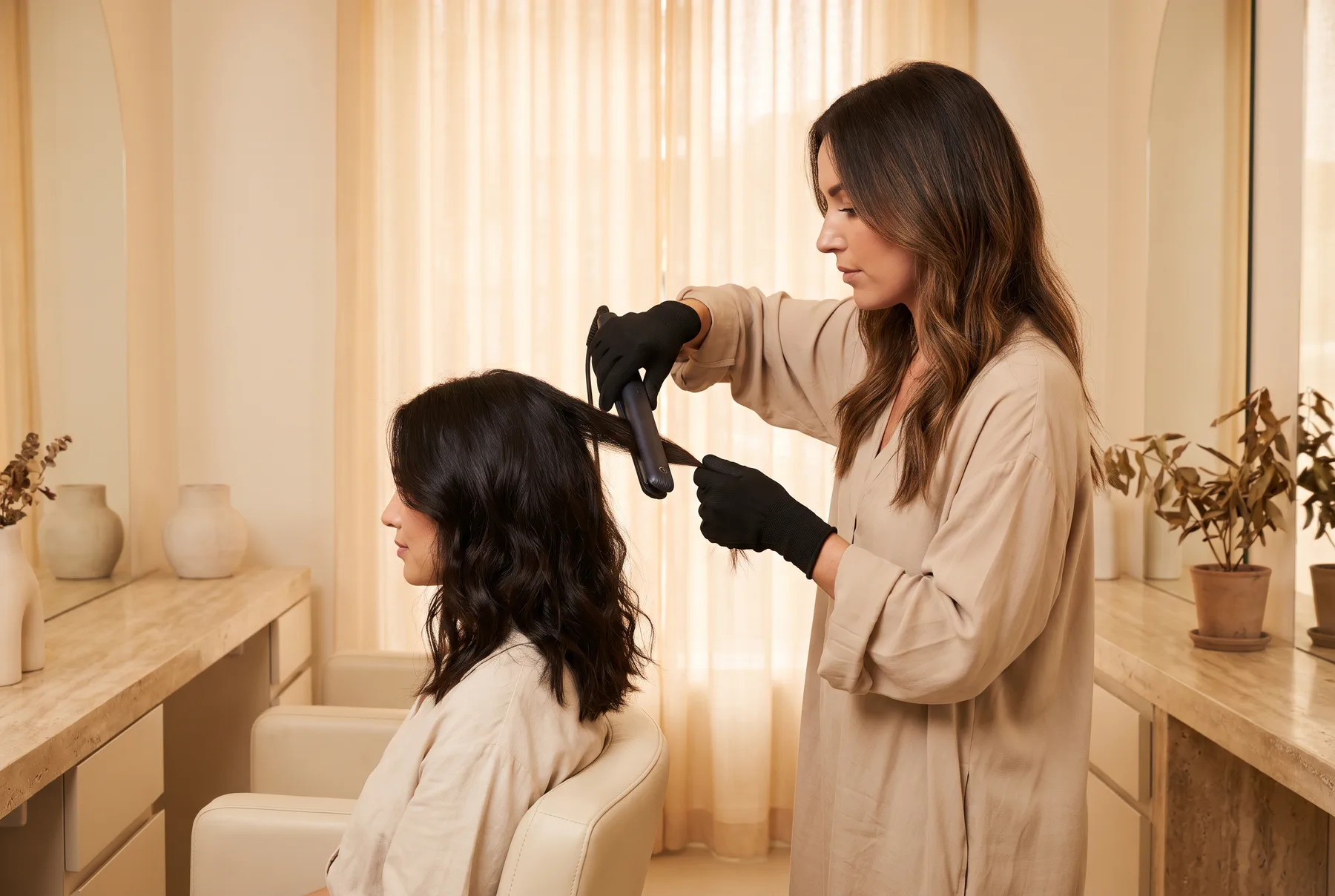
Platelet-rich plasma
Platelet-rich plasma, usually called PRP, is offered for some forms of hair loss. The protocol, evidence, cost and response vary. Ask which diagnosis is being treated, what evidence supports the proposed protocol, what maintenance may be required and how results will be measured.
Low-level laser or light devices
Some light-based devices are marketed for hereditary hair loss. Evidence and device quality vary, and not every user sees regrowth. Confirm whether the device is appropriate for the diagnosed cause and whether it has the required authorization where it is sold.
Hair transplantation
Hair transplantation redistributes suitable follicles from a donor area to selected areas of loss. Candidacy depends on the diagnosis, stability of loss, donor supply, scalp health, expectations and surgical risk. It does not stop every underlying process, so assessment and long-term planning matter.
Microneedling and combination procedures
Microneedling is sometimes combined with other treatments. It can worsen some conditions and should not be treated as a casual home remedy for an unexplained scalp problem. Discuss the device, sanitation, depth, diagnosis and evidence with a qualified professional.
No clinic or device should guarantee a fixed percentage of regrowth for every person.
Appearance support is also a valid choice
Treatment can take time, may not be suitable or may not produce the result someone wants. Hair fibres, concealing powders, volume-focused styling, wigs, hairpieces and scalp prostheses can provide immediate appearance support.
Choosing camouflage does not mean someone has failed treatment. It is a practical option that can be used alone or alongside appropriate care. Choose products that do not add painful tension or irritate the scalp.
Where cosmetic haircare fits

Cosmetic care has a narrower but useful job: keep the scalp clean according to need, improve slip, reduce avoidable snapping and help existing hair look and feel more manageable.
Cleanse the scalp without rough handling
Apply shampoo mainly to the wet scalp and roots. Massage with fingertips rather than scratching with nails. Rinse thoroughly and allow the lather to pass through the lengths instead of piling and rubbing long hair.
Wash frequency should reflect scalp oil, sweat, buildup, hair texture, styling and professional guidance. There is no universal schedule for someone experiencing hair loss.
Condition the lengths
Conditioning adds slip and reduces the force needed for detangling. Apply according to the product directions, concentrating richer care on the lengths when the roots become flat easily.
For dry, brittle or heavily processed lengths, a mask may provide richer rinse-out conditioning. The Argan Oil Hair Mask belongs in this fibre-care role, not in a medical treatment plan.
Reduce heat, friction and tension
Use the lowest effective heat, limit repeated passes and avoid tight styles that hurt. Detangle in sections from the ends upward with enough slip. A satin or low-friction sleep setup may reduce rubbing, but it does not treat follicle-level loss.
Keep the routine simple enough to evaluate
Changing a shampoo, oil, supplement and medical treatment at the same time makes it difficult to understand what affected comfort, breakage or shedding. Follow the medical plan, introduce cosmetic changes deliberately and record dates.
Hair Enhancement Shampoo: its appropriate role
Celine Claire Hair Enhancement Shampoo is a 300 ml cosmetic cleanser for dry, brittle, breakage-prone or thinning-looking hair. It is positioned to cleanse the scalp, roots and lengths while supporting moisture, shine, manageability, reduced breakage and a stronger, fuller-looking finish.
Use it on wet hair. Massage gently through the scalp and roots, rinse thoroughly and repeat only when needed. Follow with a conditioner or mask suited to the lengths.
It does not diagnose or treat hereditary pattern loss, telogen effluvium, alopecia areata, thyroid-related loss, nutritional deficiency, infection or scarring alopecia. Its value is in the cosmetic routine surrounding appropriate care.
Read the complete Hair Enhancement Shampoo guide or view Hair Enhancement Shampoo.
What not to do while looking for an answer
Do not choose treatment from a viral before-and-after
Lighting, part placement, fibres, concealer, wetness, hair length and styling can change apparent density. Ask whether the diagnosis, timeline, concurrent treatments and image conditions are disclosed.
Do not treat every form of loss with an oil
An oil may improve slip or shine on the fibre. It does not diagnose a smooth patch, an inflamed scalp or progressive density loss. Undiluted essential oils can irritate skin.
Celine Claire Bonding Rosemary Oil currently has directions for the lengths and ends, not a therapeutic scalp protocol.
Do not take several supplements “just in case”
Confirm whether a deficiency exists and whether a supplement is appropriate. More is not automatically better.
Do not stop medication without the prescriber
If the timing suggests a medicine may be involved, document the change and speak with the prescriber or pharmacist.
Do not keep a painful hairstyle
Pain, stinging, crusting and bumps are warnings to reduce tension. Continued pulling may lead to lasting damage.
Do not wait months on shampoo when the scalp has warning signs
Cosmetic experimentation can delay care for inflammatory or scarring conditions. Seek assessment when the pattern is sudden, patchy, painful or progressive.
Questions to bring to a hair-loss appointment
- Does the pattern look like shedding, breakage, follicle-level loss or more than one process?
- What diagnoses are being considered?
- Is scalp examination enough, or are blood tests or a biopsy appropriate?
- Could a medication, illness, pregnancy-related change, diet or hairstyle be contributing?
- Is treatment necessary now, or is monitoring reasonable?
- What result is realistic, and how will progress be measured?
- What side effects, contraindications, costs and maintenance should I understand?
- Which cosmetic products or styling practices should I pause or continue?
- What changes would mean I should return sooner?
Bring a medication and supplement list, recent health history and dated photographs taken in consistent lighting when possible.
When to seek a physician or dermatologist
Arrange professional care for:
- sudden or rapidly increasing loss;
- smooth round or irregular patches;
- a progressively widening part or receding hairline;
- pain, burning, sores, redness, pus or significant scaling;
- shiny or scar-like skin in an area of loss;
- eyebrow, eyelash or body-hair loss;
- loss after a new medication or medical treatment;
- hair change with fatigue, menstrual change, unexpected weight change or another health concern;
- persistent shedding without a clear explanation;
- distress that is affecting daily life.
Seek prompt care when symptoms are severe or rapidly changing. Do not use this page to decide whether an emergency is present.
Frequently asked questions
What is the best treatment for hair loss?
There is no single best treatment for every cause. The best-supported option depends on whether the change is hereditary pattern loss, temporary shedding, traction, alopecia areata, inflammation, infection, scarring, deficiency, medication-related change or fibre breakage.
Can hair loss be reversed?
Some causes can improve or regrow, some require ongoing treatment and some forms can become permanent. Outcome depends on the cause, duration and condition of the follicles. Avoid anyone who guarantees reversal without diagnosis.
How long does hair-loss treatment take to work?
Hair grows slowly, and recognized treatments often require months before progress can be judged. The expected timeline depends on the diagnosis and treatment. Ask how and when your clinician plans to assess response.
Is minoxidil the first treatment for everyone?
No. Minoxidil is used for selected forms of hair loss, but it is not appropriate for every cause or every person. Discuss suitability, side effects, reproductive considerations and continued-use requirements with a physician, dermatologist or pharmacist.
Do I need a dermatologist?
A family physician can begin an assessment and decide whether referral or testing is needed. A dermatologist is especially useful for uncertain, patchy, progressive, painful, inflamed or scar-like loss.
Can stress cause hair loss?
Major physical or emotional stress can be associated with excessive shedding. The change may appear after the event. Stress should not be assumed to be the cause of every pattern, especially when loss is patchy, painful or persistent.
Can tight hairstyles cause hair loss?
Yes. Repeated pulling can cause traction alopecia. Early reduction of tension matters because long-standing follicle damage can become permanent.
Do hats cause hair loss?
Ordinary hat use is not considered a typical cause of hair loss. A very tight item that repeatedly pulls or rubs the same area may add tension or friction, but it does not explain every pattern.
Should I take biotin, iron or zinc?
Only when a qualified professional identifies a need or recommends it for your situation. Unnecessary high doses can cause harm or interfere with tests.
Does rosemary oil treat hair loss?
This article does not recommend rosemary oil as a treatment for unexplained loss. Celine Claire Bonding Rosemary Oil is currently used cosmetically on the lengths and ends. It is not presented here as a drug or scalp-treatment protocol.
Can shampoo stop hair loss?
A cosmetic shampoo can cleanse and help reduce fibre breakage, but it cannot treat every follicle-level cause. Any therapeutic claim requires product-specific evidence and the appropriate Canadian authorization.
What shampoo can I use while my hair is being assessed?
Choose a cleanser that suits the scalp and allows gentle handling. Hair Enhancement Shampoo is Celine Claire's cosmetic option for dry, brittle, breakage-prone or thinning-looking hair. It supports cleansing and appearance, not diagnosis or medical treatment.
Is sulfate-free shampoo required for hair loss?
No universal ingredient rule applies to every type of loss. Choose according to the current formula, scalp response, styling needs and professional advice rather than assuming one surfactant category treats hair loss.
Can a hair mask regrow hair?
No cosmetic mask should be described as a regrowth treatment without applicable authorization and evidence. A mask conditions the hair fibre, improves slip and can reduce breakage during handling.
Is PRP proven for every type of hair loss?
No. Evidence and response vary by diagnosis and protocol. Ask a qualified provider why PRP is being proposed, what alternatives exist, what risks and maintenance are involved and how success will be measured.
When should I stop trying home remedies?
Do not delay qualified care for sudden, patchy, painful, inflamed, scar-like or progressive loss. Stop a cosmetic product and seek advice if it causes burning, swelling, rash or another concerning reaction.
Is Hair Enhancement Shampoo made in Canada?
Celine Claire is a Canadian haircare brand. The website does not claim that Hair Enhancement Shampoo is made in Canada.
Sources
- American Academy of Dermatology: Hair loss diagnosis and treatment supports diagnosis-first care, cause-specific treatment, minoxidil boundaries, procedures, prescription selection, confirmed-deficiency guidance and camouflage options.
- American Academy of Dermatology: Types of hair loss supports the need to distinguish pattern loss, alopecia areata, traction and scarring forms.
- American Academy of Dermatology: Alopecia areata diagnosis and treatment supports dermatologist assessment and condition-specific treatment selection.
- American Academy of Dermatology: Hair shedding versus hair loss supports the distinction between shedding and follicle-level loss.
- NHS: Hair loss supports high-level cause, care-seeking and treatment-limit language.
- Health Canada: Cosmetic advertising, labelling and ingredients supports the boundary between cosmetic appearance claims and therapeutic claims.