

Thinning hair can be associated with hereditary pattern loss, temporary shedding after a major stressor, tight hairstyles, medication, nutritional deficiency, hormonal or medical conditions, age, scalp disease or breakage from styling. A gentle cosmetic routine may protect fragile hair, but it cannot diagnose the cause. Seek qualified care for sudden, patchy, painful, scarring or persistent change.
Thinning hair may show up as a wider part, a smaller ponytail, more visible scalp, shorter broken pieces or an unusual amount of hair during washing. Those signs do not all point to the same cause. Some reflect breakage along the fibre. Others involve excessive shedding or a change at the follicle.
The most useful first step is to notice the pattern and timing rather than buying several treatments at once. Gradual thinning around the part, sudden diffuse shedding, smooth round patches, scalp pain and a receding hairline can require different assessments and different care.
Is it thinning, shedding or breakage?
The words are often used interchangeably. Separating them makes the next decision clearer.
Thinning
Thinning describes reduced visible density. The part may look wider, the ponytail may feel smaller or more scalp may show through. Thinning can develop gradually or follow a period of increased shedding.
Excessive shedding
Shedding releases a complete strand from the scalp. The American Academy of Dermatology notes that excessive shedding can occur after events such as childbirth, illness, surgery, high fever, significant weight loss or major emotional stress. The increase may appear months after the trigger.
Breakage
Breakage occurs along the hair fibre. It often leaves short pieces, uneven lengths, frayed ends and snapping during brushing or styling. Heat, overlapping chemical services, tight styles and rough handling can contribute.
A person can have more than one process at the same time. For example, someone may experience temporary shedding after an illness while also breaking fragile, colour-treated lengths.
What pattern are you seeing?
| Observation | What it may suggest | Appropriate next step |
|---|---|---|
| Gradually widening centre part or reduced density on top | Pattern hair loss is one possibility | Arrange a physician or dermatologist assessment, especially when it is progressing |
| Sudden increase in full-length shed hairs across the scalp | A temporary shedding process may be involved | Review recent illness, surgery, childbirth, major stress, weight change and medication with a clinician |
| Smooth round or irregular patches | Several forms of alopecia can present with patches | Seek dermatologic assessment rather than testing cosmetic products |
| Receding hairline where styles pull tightly | Traction may be contributing | Loosen the style promptly and seek care if loss, pain or smooth skin is present |
| Short broken pieces and rough ends | Fibre breakage is likely part of the picture | Reduce heat, pulling and chemical overlap; use gentler cleansing and conditioning |
| Scaling, redness, sores, pain or intense itching | A scalp condition may be involved | Seek qualified assessment; avoid adding multiple home remedies |
| Eyebrow or body-hair loss with scalp change | A broader condition may be involved | Arrange medical evaluation |
This table is a decision aid, not a diagnostic test.
Common causes of thinning-looking hair
Hereditary pattern hair loss
Pattern hair loss can affect people of different genders. In women, a widening part and reduced density over the top of the scalp are common early signs. It tends to progress, so early diagnosis can matter.
Family history may increase suspicion, but the pattern should still be assessed because other conditions can look similar.
Temporary excessive shedding
Telogen effluvium is the medical term used for a common form of excessive shedding. It may follow childbirth, illness, fever, surgery, rapid or substantial weight change or intense stress. The trigger and timing are important, and a dermatologist can help distinguish shedding from another form of loss.
Do not stop medication on your own because you suspect it is involved. Discuss the timing with the prescriber or pharmacist.
Tight hairstyles and repeated tension
Braids, cornrows, locs, extensions, tight ponytails, buns and repeated tension beneath hair coverings can contribute to traction alopecia. Pain is a warning that a style is too tight. Continued pulling can eventually lead to permanent loss.
Loosen styles that hurt, rotate placement and reduce sustained tension. Seek early assessment if the hairline is receding, bumps or tenderness appear, or the affected skin looks smooth.
Heat, chemical services and grooming breakage
Bleaching, colouring, relaxing, perming, repeated straightening and high heat can weaken the fibre. Rough towel drying and forceful detangling add mechanical stress.
This can make the hair look thinner without changing the number of active follicles. A lower-friction routine is useful here, but it cannot correct root-level hair loss.
Hormonal and medical conditions
Hormonal changes and conditions involving the thyroid or other body systems can be associated with hair changes. The scalp cannot reveal the cause by appearance alone.
Seek medical advice when thinning develops with fatigue, menstrual change, unexpected weight change, new facial hair, scalp symptoms or another health concern.
Nutritional deficiency or restricted intake
Insufficient iron, protein, zinc, biotin or another nutrient can be associated with hair loss. That does not mean every person with thinning hair should take a supplement.
Testing and medical history help identify a real deficiency. Taking high doses without a demonstrated need can create risk or interfere with other testing and treatment.
Medication and treatment effects
Some medications and medical treatments can affect hair growth or shedding. The response may depend on dose, timing and individual susceptibility.
Speak with the prescriber before changing anything. Stopping an important medication abruptly can be dangerous.
Age-related change
Hair growth and density can change with age. Age does not rule out a treatable condition, especially when loss is sudden, patchy, painful or rapidly progressing.
What to do first
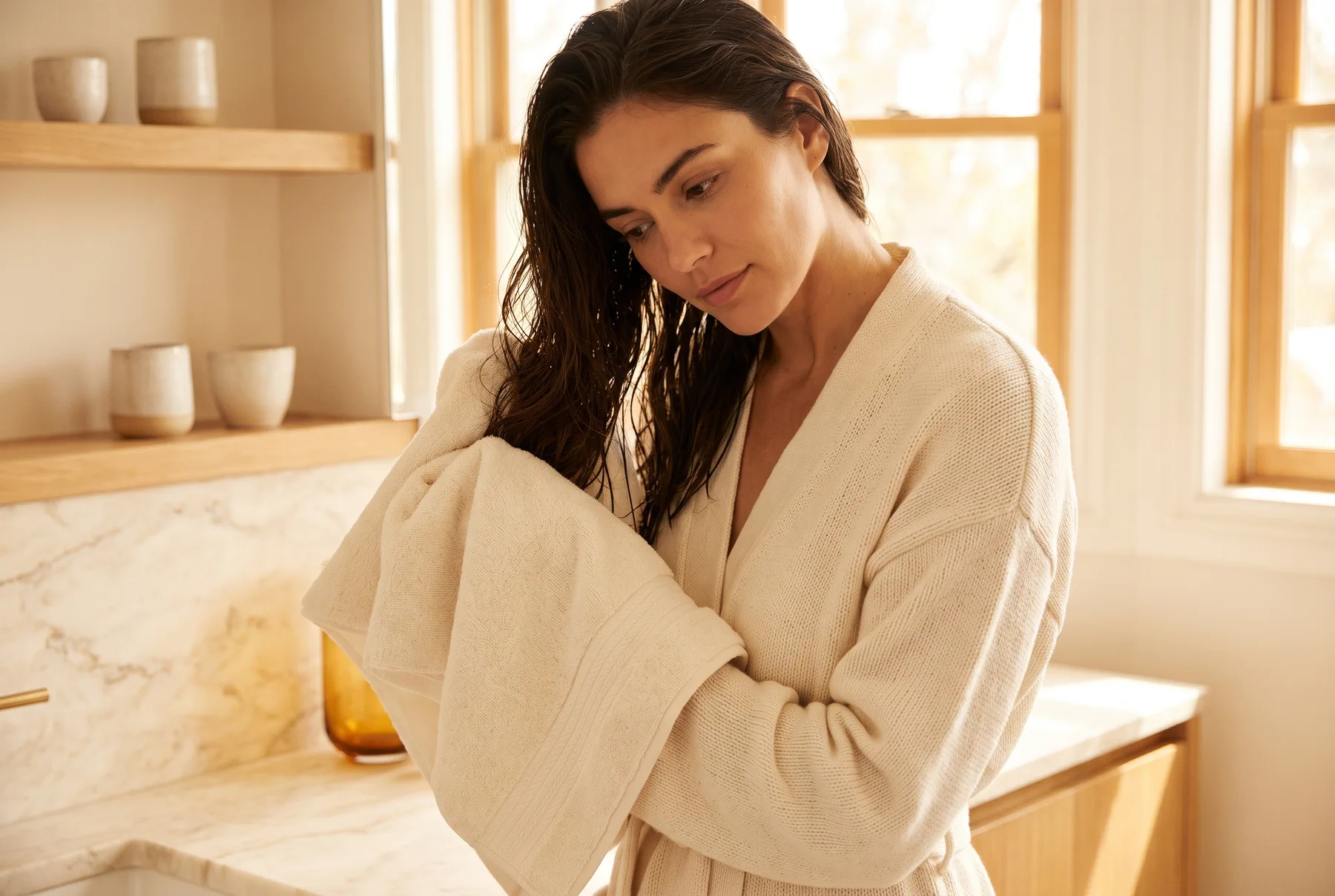
Record the change
Take clear photographs of the part, temples, hairline and crown in consistent lighting. Record the date, styling state and whether the hair is wet or dry. A single photo cannot diagnose the cause, but a consistent series can make progression easier to discuss.
Write down the timeline
Note when the change began and whether it followed illness, surgery, childbirth, major stress, weight change, a new medication, a new supplement or a chemical service.
Separate full strands from broken pieces
You do not need to count every hair. Look for the overall pattern: long strands released from the root, shorter snapped pieces, or both.
Reduce avoidable stress
Loosen painful styles, reduce repeated hot-tool passes, detangle gently and pause overlapping chemical services until the hair and scalp can be assessed.
Arrange professional care when the pattern is concerning
A family physician or dermatologist can review the history, examine the scalp and decide whether testing or treatment is appropriate. Earlier assessment is especially important for progressive or scarring forms of loss.
How thinning hair is assessed
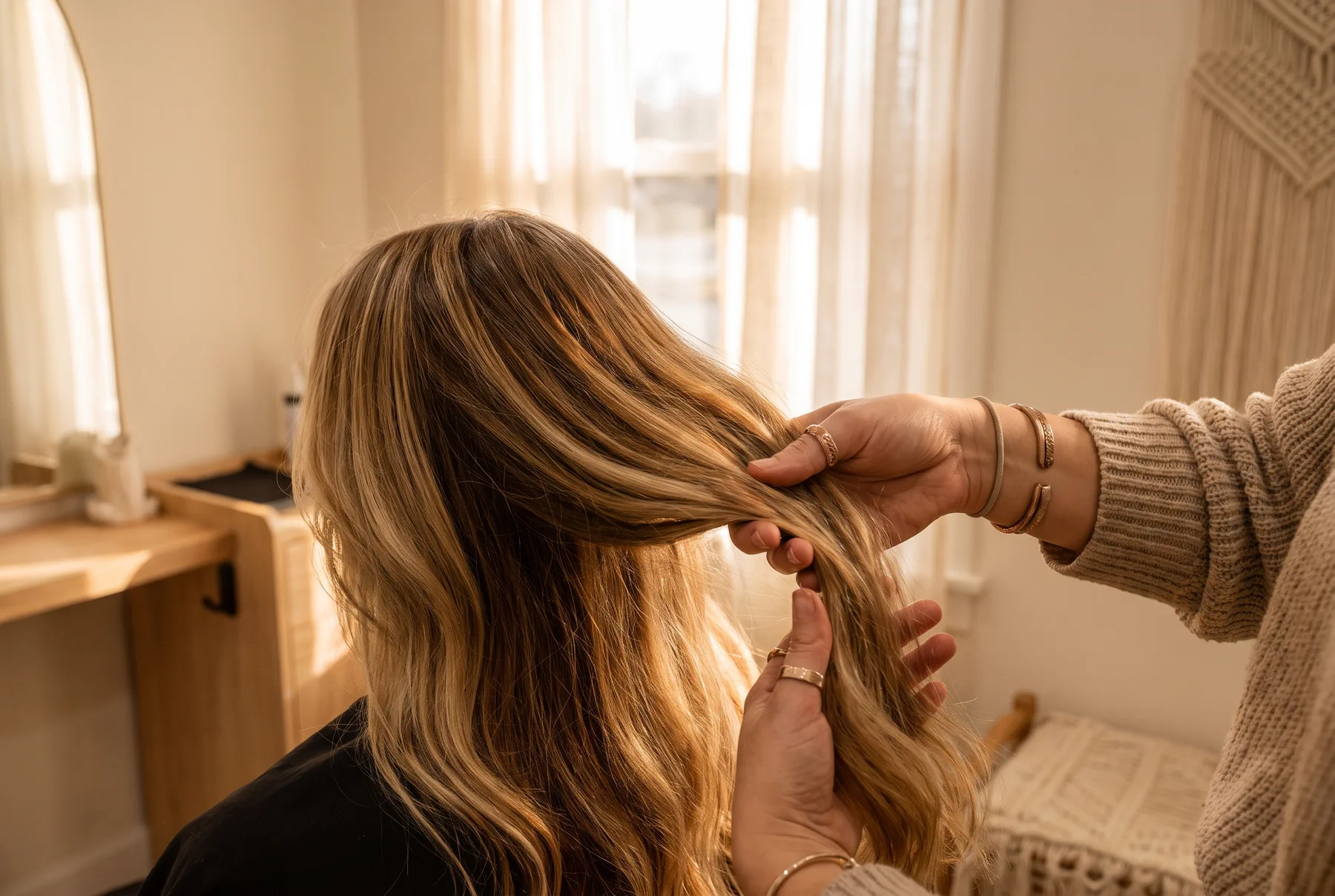
An assessment may include:
- when the change began and how quickly it developed;
- the distribution across the scalp;
- scalp symptoms;
- recent illness, childbirth, surgery or stress;
- medication and supplement history;
- nutrition and weight change;
- family history;
- colour, heat, extension and hairstyle practices;
- a scalp and hair examination;
- laboratory testing or biopsy when clinically indicated.
No single shampoo ingredient replaces this process.
What treatments may be discussed?
Treatment depends on the cause. A clinician may discuss changing a source of traction, correcting a confirmed deficiency, addressing a medical or scalp condition, using an approved topical treatment or considering a prescription or procedure.
Minoxidil is one recognized option for some forms of pattern hair loss, but it is not right for every person. Product strength, application, pregnancy or breastfeeding, side effects, other conditions and the need for continued use should be discussed with an appropriate healthcare professional.
Procedures such as platelet-rich plasma or hair transplantation may be considered in selected cases. Evidence, cost, candidacy and risk vary. This article does not recommend one procedure or provider.
Avoid any clinic, supplement or product that promises guaranteed regrowth, hides side effects or claims one treatment works for every cause.
Where does cosmetic haircare fit?
Cosmetic care cannot treat every cause of thinning, but it can reduce some of the extra stress placed on fragile hair.
Cleanse according to the scalp
Use a shampoo that suits oil, buildup, comfort, styling and wash frequency. Concentrate the cleanser at the scalp and let the rinse move through the lengths instead of rubbing long hair aggressively.
Condition after cleansing
Conditioning improves slip and can reduce combing force. Keep richer products mainly through the lengths when roots become flat easily.
Detangle gently
Use enough conditioning slip, work from the ends upward and avoid repeated pulling. Textured and tightly curled hair may be easier to detangle while damp and conditioned.
Control heat and tension
Use lower effective heat, reduce repeated passes and avoid hairstyles that hurt. A heat protectant does not make unlimited temperature harmless.
Keep the routine understandable
Changing five products at once makes it difficult to identify what improved comfort, breakage or manageability. Introduce one change at a time when possible.
Hair Enhancement Shampoo as a cosmetic starting point
Celine Claire Hair Enhancement Shampoo is a 300 ml cleanser for dry, brittle, breakage-prone or thinning-looking hair. Its approved role is to cleanse the scalp, roots and lengths while supporting moisture, shine, manageability, reduced breakage and a stronger, fuller-looking finish.
Use it on wet hair. Massage gently through the scalp and roots, rinse thoroughly and repeat only when needed. Follow with conditioning care selected for the lengths.
The shampoo does not diagnose or treat androgenetic alopecia, telogen effluvium, thyroid-related loss, autoimmune loss or another condition. Its value is in the cosmetic routine.
Read the Hair Enhancement Shampoo guide or view the product.
Routine adjustments for fragile hair
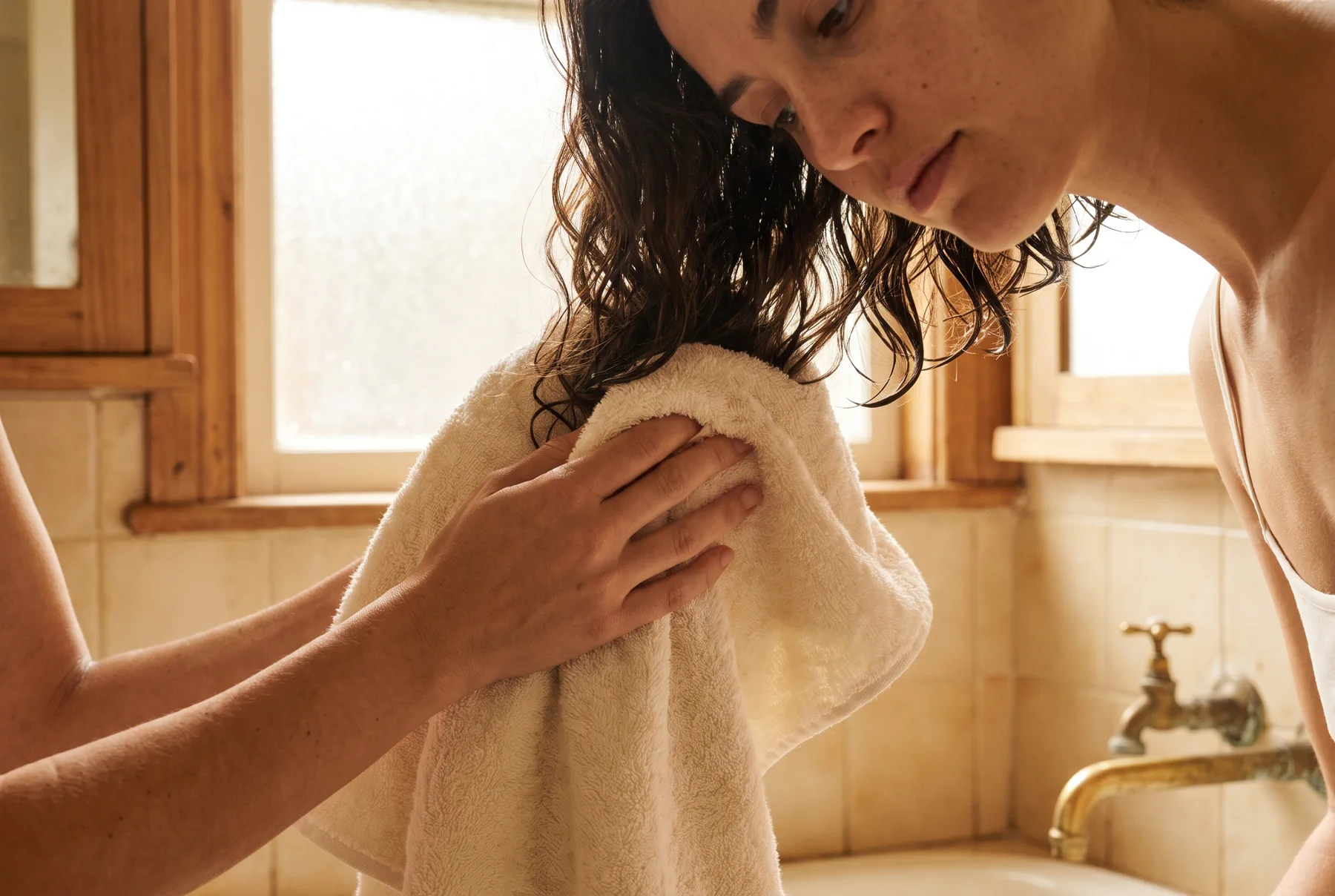
Fine hair with flat roots
Cleanse the roots thoroughly, use a modest amount of conditioner through the lengths and avoid applying several rich oils or masks near the scalp.
Dry or brittle lengths
Follow shampoo with a moisture-focused conditioner. Add the Argan Oil Hair Mask on selected wash days when richer rinse-out care is appropriate. Its current method is 2-3 minutes on freshly washed, towel-dried hair, rinse, then conditioner.
Curly or coily hair
Choose wash frequency according to the scalp and styling routine. Detangle with adequate slip and avoid forcing a dry brush through tightly curled hair.
Colour-treated or chemically treated hair
Follow the aftercare instructions for the service. Reduce overlapping chemical work and repeated high heat when the fibre is already fragile.
Tight or protective styles
Protective does not mean painless. Reduce tension, give the hairline relief and seek help if there is tenderness, bumping, recession or smooth-looking loss.
What not to do
Do not self-diagnose from one photograph
Lighting, part placement, wet hair, product and styling can change how much scalp is visible.
Do not buy several supplements without testing
More is not automatically safer or more effective. Confirm a deficiency and discuss dose and interactions.
Do not put undiluted essential oils on the scalp
Irritation can complicate the picture. This article does not recommend a rosemary or peppermint scalp remedy.
Do not replace medical treatment with shampoo
A cosmetic shampoo can support cleansing and reduced breakage. It does not replace a diagnosed-condition treatment.
Do not keep wearing a painful style
Pain, stinging, crusting or bumps are not signs that a hairstyle is working. Reduce the tension.
Do not rely on an unverified before-and-after
Hair length, fibres, lighting, angle, concealers and styling can create apparent changes. Useful documentation keeps those conditions consistent and discloses other treatments.
When should you see a physician or dermatologist?
Arrange qualified care when you notice:
- sudden or rapidly increasing loss;
- smooth round patches or irregular bare areas;
- a progressively widening part;
- a receding hairline associated with tight styles;
- scalp pain, burning, sores, redness or significant scaling;
- shiny or scar-like skin where hair used to grow;
- eyebrow, eyelash or body-hair loss;
- thinning with fatigue, menstrual change, unexpected weight change or another systemic symptom;
- shedding after starting medication or treatment;
- distress that is affecting daily life;
- no improvement after removing an obvious source of breakage or tension.
Urgency depends on the pattern and symptoms. When in doubt, earlier evaluation is more useful than cycling through cosmetic products for months.
Frequently asked questions
What are common causes of thinning hair?
Possible causes include hereditary pattern loss, excessive shedding after a major stressor, tight hairstyles, medication, nutritional deficiency, hormonal or medical conditions, age, scalp disease and breakage from heat or chemical services. An examination may be needed to distinguish them.
What is the difference between shedding and hair loss?
Excessive shedding releases more complete hairs than usual, often after a stressor. Hair loss means something is interfering with growth or damaging follicles. A dermatologist can help distinguish them, and a person may experience both.
Can stress cause thinning hair?
Major physical or emotional stress can be associated with excessive shedding. The increase may become noticeable months after the event. Persistent change should still be assessed because stress is not the only possible cause.
Can hormonal changes affect hair density?
Yes. Postpartum change, menopause and hormonal conditions may be associated with shedding or thinning. The pattern and other symptoms help guide evaluation.
Can a vitamin deficiency cause thinning hair?
Insufficient iron, protein, zinc, biotin or another nutrient can be associated with hair loss. Do not assume deficiency from appearance alone. Ask a qualified professional whether testing is appropriate before taking high-dose supplements.
Should I take biotin for thinning hair?
Not automatically. Biotin is useful when a true deficiency exists, but deficiency is uncommon and high-dose supplements can interfere with some laboratory tests. Discuss the need and dose with a healthcare professional.
How often should I wash thinning hair?
There is no universal schedule. Wash according to scalp oil, sweat, buildup, hair texture, styling and professional advice. Hair Enhancement Shampoo is positioned for daily use, but daily washing is optional.
What shampoo is best for thinning-looking hair?
Choose a shampoo that cleanses the scalp without making fragile-hair care more difficult. Hair Enhancement Shampoo is Celine Claire's scalp-focused option for dry, brittle, breakage-prone or thinning-looking hair. It supports appearance and handling rather than medical treatment.
Can shampoo regrow hair?
A cosmetic shampoo should not promise regrowth without the applicable authorization and product-specific evidence. It can cleanse the scalp, support moisture and help reduce breakage so existing hair looks healthier and fuller.
Does rosemary oil treat thinning hair?
This article does not recommend rosemary oil as a treatment for unexplained thinning. Celine Claire Bonding Rosemary Oil has separate approved directions for wet, damp or dry lengths and ends; it is not currently a scalp-treatment method.
Can tight hairstyles cause permanent loss?
Repeated tension can cause traction alopecia. Continued pulling may eventually damage follicles permanently. Loosen painful styles and seek early assessment when the hairline recedes or symptoms appear.
Can heat damage make hair look thinner?
Yes. Heat and chemical damage can increase fibre breakage, leaving uneven, shorter lengths. Reducing heat, handling gently and conditioning can support the remaining fibre, but they do not treat root-level loss.
Is minoxidil right for everyone?
No. It may be used for selected types of pattern hair loss, but suitability, strength, side effects, pregnancy or breastfeeding and continued-use requirements need professional guidance.
Do home remedies cure thinning hair?
No home remedy cures every cause. Oils and masks may improve the feel of the hair fibre, but they cannot diagnose or treat all forms of loss. Avoid scalp irritation and seek cause-specific advice.
Can thinning hair grow back?
Regrowth depends on the cause and whether follicles remain capable of producing hair. Some shedding resolves after the trigger changes; some conditions progress without treatment; scarring loss can become permanent. Diagnosis matters.
When is thinning hair urgent?
Seek prompt advice for rapid loss, patches, pain, burning, sores, scarring, eyebrow or body-hair loss, systemic symptoms or medication-related concern. Do not stop prescribed medication without speaking to the prescriber.
Is Hair Enhancement Shampoo made in Canada?
Celine Claire is a Canadian haircare brand. The website does not claim that Hair Enhancement Shampoo is made in Canada.
Sources
- American Academy of Dermatology: Hair loss causes supports the multiple-cause framework, hereditary loss, hormonal and thyroid associations, traction, nutritional deficiency and age-related change.
- American Academy of Dermatology: Hair shedding versus hair loss supports the distinction between excessive shedding and hair loss and common shedding triggers.
- American Academy of Dermatology: Female pattern hair loss supports widening-part presentation, progression, diagnosis and high-level treatment discussion.
- American Academy of Dermatology: Hairstyles that pull supports traction-alopecia risks, painful-style warning and importance of early change.
- American Academy of Dermatology: Tips for managing hair loss supports gentle shampooing, conditioning, reduced heat and lower-tension styling.
- NHS: Hair loss supports the distinction between temporary and permanent causes and the statement that recognized treatments do not work for everyone.