

Start with gentle cleansing and suitable rinse-out conditioning. Towel-blot instead of rubbing. Add either a general leave-in or a curl-focused leave-in when needed. Use dedicated heat protection before hot tools, then finish with a measured amount of oil only if the surface or ends still need polish.
What is frizzy hair?
Frizz is hair that sits outside the shape or pattern you are trying to create. It may appear as a soft halo around curls, short flyaways near the part, rough-looking ends or strands that expand when the weather changes. It is a description of appearance, not a diagnosis.
A sleek blowout, a soft air-dried wave and a defined coil do not have the same goal. A few visible strands may also be a normal part of movement, texture or new growth. The aim is not to erase the character of the hair — it is to make the result easier to manage and closer to the finish you want.
What causes frizzy hair?
Frizz usually reflects a combination of hair structure, environment and handling. Finding the likely contributor is more useful than assuming every strand simply needs more oil.
Humidity and changing weather
Hair interacts with moisture in the surrounding air. Research on the human hair cuticle found that moisture sorption changes cuticle behaviour and that the cuticle plays an important moisture-management role at higher relative humidity. This helps explain why the same routine can look different on a humid day.
Humidity is not proof that the hair is unhealthy, and no cosmetic should be presented as making hair completely weatherproof.
Natural pattern and porosity
Waves, curls and coils do not all line up into one smooth surface. The shape itself can make a soft halo more visible. Hair that takes in and releases water readily may also respond differently to weather and product application than hair with lower porosity. Treat texture as something to support, not something to correct.
Dryness or an incomplete conditioning step

If hair feels rough, tangled or hard to shape as soon as the towel comes off, the wash-day foundation may need attention. Conditioner can improve slip and manageability, while a suitable leave-in can support areas that still need softness after rinsing. The American Academy of Dermatology recommends choosing products for the hair type and using conditioner after washing, and notes that leave-in conditioner can be useful for hair that is tangled, frizzy or flyaway.
Heat, chemical processing and accumulated wear
Repeated high heat, bleaching, colouring, perming and straightening can change how the hair fibre looks and behaves. Older lengths and ends have also experienced more washing, styling and environmental exposure than new growth. Cosmetic conditioning can temporarily improve smoothness, slip and appearance. It cannot permanently restore a split or broken fibre to an untouched state.
Friction and handling
Rough towel rubbing, forceful detangling and repeatedly touching hair as it dries can disturb the intended pattern and add mechanical stress. The AAD recommends wrapping or gently blotting hair rather than rubbing it dry and adjusting detangling to the hair type.
Choose frizzy hair treatment by when the frizz appears
| When you notice it | What may need attention | Useful first adjustment | Celine Claire route |
|---|---|---|---|
| Immediately after washing | rinse-out conditioning, slip or rough towel handling | condition thoroughly and towel-blot | Argan Hydration wash-day foundation |
| While straight or wavy hair air-dries | leave-in moisture, distribution or repeated touching | use a small amount of general leave-in and handle less | Multi Complex Hair Cream |
| While curls or coils set | curl grouping, even distribution or touch | apply curl leave-in in sections; let the pattern set | Curl Essence |
| During or after hot-tool styling | heat preparation, temperature or repeated passes | distribute Heat Shield before heat; lowest effective setting | Heat Shield Hair Spray |
| Only on dry ends or surface | the routine works but needs light polish | use 1–2 drops on clean, dry hair | Moroccan Argan Oil |
| Only in a structured or slick style | softness is not enough; actual hold is needed | small amount of styling wax on dry hair | Blue Caviar Aqua Styling Wax |
Start with the smallest change that answers the problem. Layering a mask, leave-in, curl cream, heat spray, oil and wax in one session may create buildup without producing a better finish.
Build the wash-day foundation first
Finishing products cannot compensate for a wash routine that leaves the hair tangled or difficult to shape.
Cleanse according to the scalp
Apply shampoo primarily where oil, sweat and product collect. The lengths are cleaned as the lather and water move through them. Wash frequency should follow how quickly the scalp becomes oily or dirty rather than a universal schedule. The Argan Oil Hydrating Shampoo is the moisture-focused Celine Claire option: apply to thoroughly wet hair, massage gently at the scalp, rinse completely and repeat only when needed.
Use rinse-out conditioner with intention
Conditioner supports softness, slip and easier detangling. The Argan Oil Hydrating Conditioner is currently used for approximately five minutes as a regular conditioner, then rinsed thoroughly. Its separate ten-minute conditioner-as-mask method is a richer alternative, not an automatic extra step. Apply the amount the hair needs and rinse well. Fine or easily weighed-down hair may need less near the roots.
Add a dedicated mask only when the hair needs a richer route
The Argan Oil Hair Mask is a separate rinse-out treatment. Apply to freshly washed, towel-dried hair for 2–3 minutes, rinse thoroughly, then follow with a Celine Claire Conditioner. Use it as needed rather than assuming every wash day requires it. Do not combine the dedicated mask and the conditioner’s ten-minute mask alternative automatically — choose one richer path.
Three practical routines for frizzy hair
Soft, general smoothing
- Shampoo and rinse thoroughly.
- Use rinse-out conditioner if the hair needs it, then rinse completely.
- Gently towel-blot until the hair is damp rather than dripping.
- Spread a small amount of Multi Complex Hair Cream between the palms.
- Work it through the mid-lengths and ends.
- Detangle gently from the ends upward.
- Leave it in and air-dry with minimal handling.
For a dry-hair refresh, emulsify only a trace amount and touch the areas that need it. Reduce next time if the hair looks coated, flat or greasy. Explore Moisturizing Cream Leave-In.
Waves, curls or coils
- Shampoo and rinse.
- Apply rinse-out conditioner and rinse it completely.
- Towel-blot gently, leaving the hair evenly damp.
- Begin with a penny-sized amount of Curl Essence.
- Distribute in sections, adding more only where density, length or porosity requires it.
- Smooth or rake through the lengths, then scrunch upward.
- Diffuse on an appropriate setting or air-dry.
- Avoid repeatedly touching the pattern while it sets.
Curl Essence is a leave-in and curl styler — do not rinse it out. It supports soft definition, not the hard cast of a gel. Explore Curl Essence.
Smoother blowout or straight style
- Cleanse and condition according to the hair’s needs.
- Add a small amount of Multi Complex Hair Cream only if leave-in moisture or detangling is needed.
- Shake Heat Shield Hair Spray.
- Mist evenly through damp or dry mid-lengths and ends, in sections.
- Comb or distribute it through the hair.
- Before a flat iron or curling tool, let visible moisture from the spray dry.
- Use the lowest effective temperature and limit repeated passes.
- After styling, use 1–2 drops of Moroccan Argan Oil only if surface or ends need polish.
Heat protection supports safer styling — it doesn’t make maximum heat or unlimited passes harmless. Explore Heat Shield.
Measured polish only
If the wash-day foundation and drying method are already working, one or two drops of Moroccan Argan Oil on clean, dry lengths and ends can add shine and control flyaways. Rub between the palms first; keep it off the roots.
This finishing method is one of four separate Argan Oil methods — see the full breakdown in Best Argan Oil for Hair.
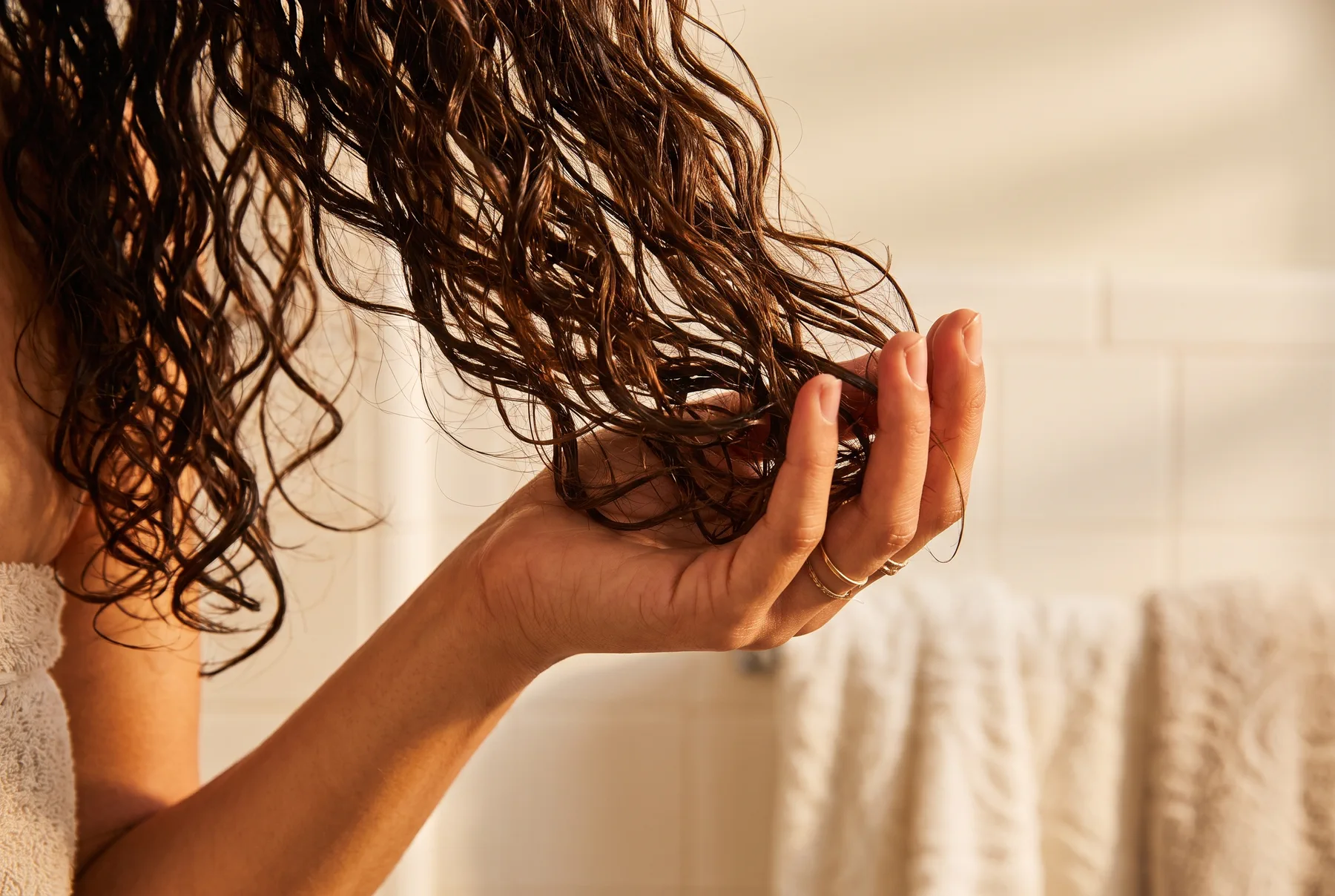
Leave-in conditioner, oil or styling wax?
These products can all make the surface look more controlled, but they do different jobs.
| Product type | Main job | Best moment | Should not replace |
|---|---|---|---|
| General leave-in cream | detangling, softness, visible smoothing | damp lengths after washing; trace for dry refresh | rinse-out care, dedicated heat protection or firm hold |
| Curl leave-in | moisture plus flexible curl grouping | evenly damp, conditioned waves, curls or coils | rinse-out conditioner or strong gel/wax hold |
| Heat-protection spray | preparation before blow-drying or hot tools | damp or dry sections before heat | conditioner, permanent repair or finishing hold |
| Finishing oil | measured shine and surface polish | 1–2 drops on clean, dry hair | detangling cream, curl styler or heat protection |
| Styling wax | firm control for slick, short or structured styles | small amount on dry styled hair | soft movement or curl hydration |
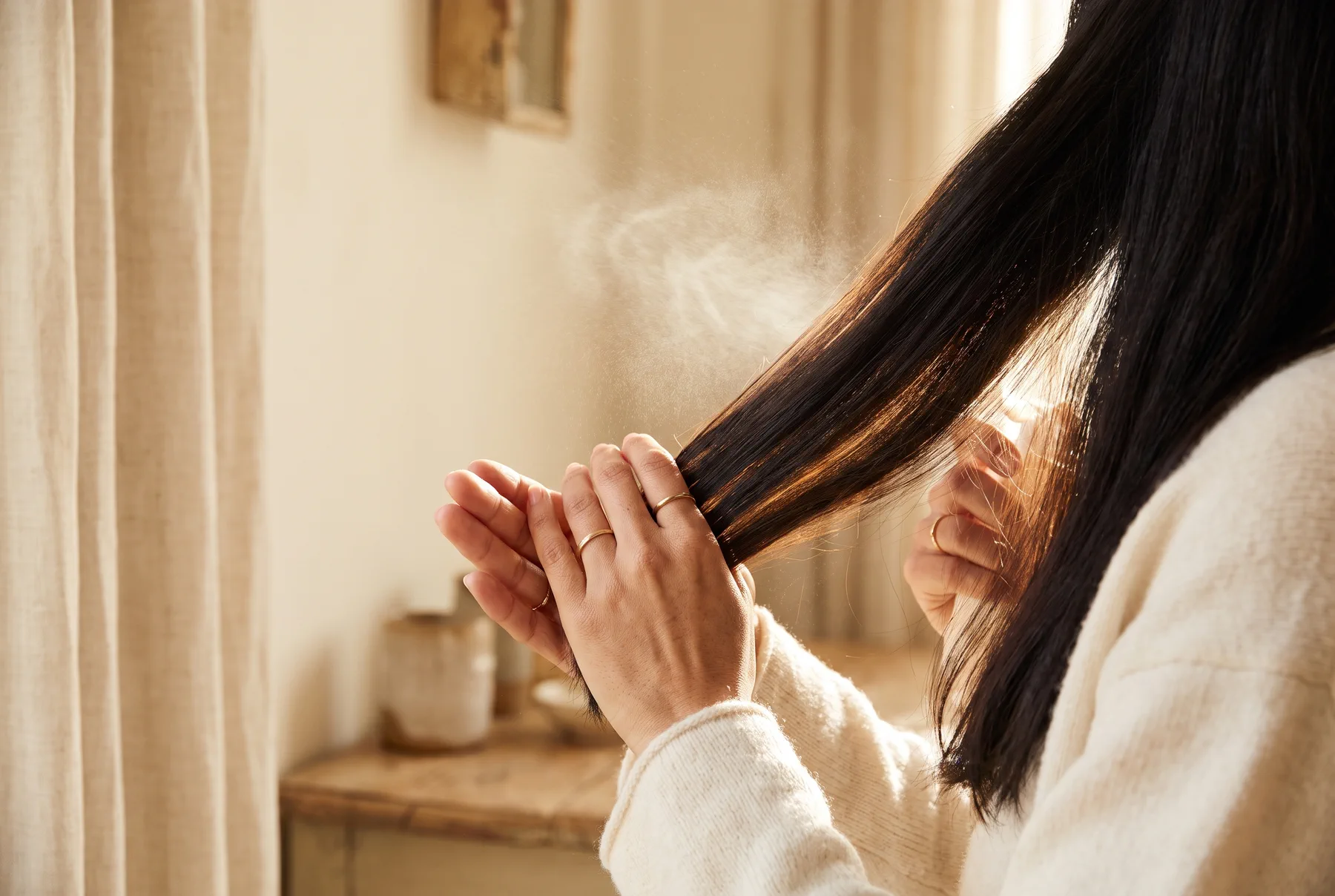
If you are unsure which role is missing, use the Frizz & Flyaways concern guide or take the Hair Quiz.
Frizz, breakage and hair loss are not the same thing
Frizz describes appearance. Breakage means the hair fibre has snapped. Hair loss or shedding involves hair leaving the follicle or changes in growth and retention. These experiences can occur together, but one does not prove the other.
Rough detangling, high heat and tight styles can add mechanical stress and contribute to breakage. Gentler handling may reduce avoidable damage. It does not treat the many possible causes of hair loss.
Do not rely on onion juice, egg masks, green tea, aloe vera, oils, supplements or shampoo as a diagnosis or guaranteed regrowth plan. Sudden shedding, widening areas, bald patches, scalp pain, persistent itching or ongoing breakage deserve assessment from a qualified healthcare professional or dermatologist.
Seven common anti-frizz mistakes
- Treating every visible strand as damage. Natural texture, new growth and a soft curl halo are not automatically damaged hair.
- Rubbing wet hair with a towel. Blot or wrap gently; rough rubbing adds friction and disturbs the pattern.
- Applying more product before fixing distribution. An overloaded top layer and untreated underneath sections can exist at the same time — work in sections.
- Using oil as heat protection. Moroccan Argan Oil has its own methods; use Heat Shield as the dedicated preparation before heated tools.
- Combining every rich step. The dedicated Hair Mask and the conditioner’s ten-minute alternative are separate richer routes — pick one.
- Touching curls repeatedly while they dry. After Curl Essence has set the pattern, repeated touching separates the groups.
- Expecting one routine to behave the same in every season. Adjust quantity and technique rather than chasing a permanent weatherproof result.
A simple adjustment checklist
If the result feels wrong, change one variable at a time.
- Hair feels coated or limp: reduce leave-in, oil or wax and keep it farther from the roots.
- Lengths tangle before styling: improve rinse-out conditioning and detangle gently before adding finishing products.
- Curls separate as they dry: check water and product distribution, section more carefully and touch less while setting.
- Flyaways appear after heat: verify Heat Shield distribution, lower the tool setting when possible and reduce repeated passes.
- Only the ends look rough: finish with one drop of oil before adding a second.
- The style needs actual hold: choose styling wax for a structured finish instead of adding more conditioner or oil.
Choose the next step, not every step
The best frizzy hair treatment is the smallest routine change that answers the moment. Improve conditioning when hair is rough after washing. Choose a leave-in for softness, Curl Essence for flexible pattern support, Heat Shield before hot tools and 1–2 drops of Moroccan Argan Oil when dry ends need polish.
Bottle name Multi Complex Hair Cream. A 200 ml no-rinse cream for detangling, softness, visible frizz control and light styling across straight, wavy, curly and coily patterns. Small amount through damp mid-lengths and ends; trace for a dry refresh.
Frequently asked questions
What causes frizzy hair?
Frizz can reflect natural texture, humidity, porosity, dryness, chemical or heat-related wear, friction, product distribution and styling method. It is not always damage. Notice when it appears and what finish you want before choosing a product.
Can frizzy hair be treated permanently?
No cosmetic routine can guarantee permanent frizz removal. Conditioning, leave-in care, styling technique, heat protection and controlled finishing can improve manageability and appearance, but results change with washing, weather, hair condition and the intended style.
What is the most important step in a frizzy hair routine?
Start with the wash-day foundation. Cleanse according to the scalp, use suitable rinse-out conditioner and towel-blot gently. Then add only the leave-in, curl support, heat protection, oil or hold product required for the finish.
Is frizzy hair always dry?
No. Dryness can make hair feel rough or difficult to manage, but frizz also appears with natural texture, humidity, new growth, friction and styling choices. Adding more oil without identifying the cause can weigh hair down without fixing the method.
Is frizzy hair the same as damaged hair?
No. Damaged hair may look frizzy, but visible frizz alone does not prove damage. Look for context such as chemical processing, repeated high heat, roughness, loss of elasticity, breakage or split ends before assuming the hair needs a repair-focused route.
Is frizzy hair more likely to break?
Frizz itself does not prove fragility. Hair that is dry, chemically processed, repeatedly heated or roughly detangled may show both frizz and breakage. Gentle handling, suitable conditioning and controlled heat can reduce avoidable stress, but split or broken fibres are not permanently repaired by cosmetics.
How often should I use a hair mask for frizz?
Use a mask according to its exact directions and how the hair responds, not a universal weekly rule. Celine Claire Argan Oil Hair Mask is used as needed for 2–3 minutes on freshly washed, towel-dried hair, rinsed, then followed with conditioner.
Should I use leave-in conditioner on frizzy hair?
A leave-in can help when hair remains tangled, rough or difficult to shape after rinsing. Apply a small amount to damp lengths and ends. Fine hair often needs less, while longer, denser or more porous hair may need section-by-section application.
Is Curl Essence the same as a general leave-in conditioner?
No. Curl Essence combines leave-in conditioning with flexible definition for waves, curls and coils. Multi Complex Hair Cream is the broader detangling and smoothing option across hair patterns. Choose according to the intended style rather than layering both automatically.
Does heat styling cause frizz?
Repeated or excessive heat can contribute to dryness and visible damage, which may make frizz more noticeable. Apply dedicated heat protection, ensure hair is dry before direct-contact tools, use the lowest effective temperature and avoid unnecessary repeated passes.
Can argan oil control flyaways?
Moroccan Argan Oil can add lightweight polish when the rest of the routine is already working. Use 1–2 drops on clean, dry hair and keep the dry-hair finishing method away from the scalp. Fine hair should begin with one drop.
Can home remedies stop frizz or hair loss?
Kitchen ingredients and oils are not guaranteed treatments for frizz or hair loss. Some may irritate the scalp, create buildup or be difficult to rinse. Use products with clear directions, and seek professional assessment for sudden shedding, bald patches or persistent scalp symptoms.
When should I see a dermatologist?
Seek qualified care for sudden or substantial shedding, bald patches, scalp pain, persistent itching or scaling, sores, or breakage that continues despite gentler care. A dermatologist can assess causes that a cosmetic product page or blog cannot diagnose.
Sources
- American Academy of Dermatology, “Tips for healthy hair.” aad.org
- American Academy of Dermatology, “Dermatologists’ top tips for using leave-in conditioner.” aad.org
- American Academy of Dermatology, “Hair styling without damage.” aad.org
- Wortmann FJ et al., “Cuticle: Designed by nature for the sake of the hair,” International Journal of Cosmetic Science, 2022. pubmed.ncbi.nlm.nih.gov/35478184
- Skedung L et al., “A Curly Q: Is Frizz a Matter of Friction?” Perception, 2021. pubmed.ncbi.nlm.nih.gov/34152243
- D’Souza P, Rathi SK, “Shampoo and Conditioners: What a Dermatologist Should Know?” Indian Journal of Dermatology, 2015. pmc.ncbi.nlm.nih.gov/PMC4458934